
February 2026
Winter Sowing
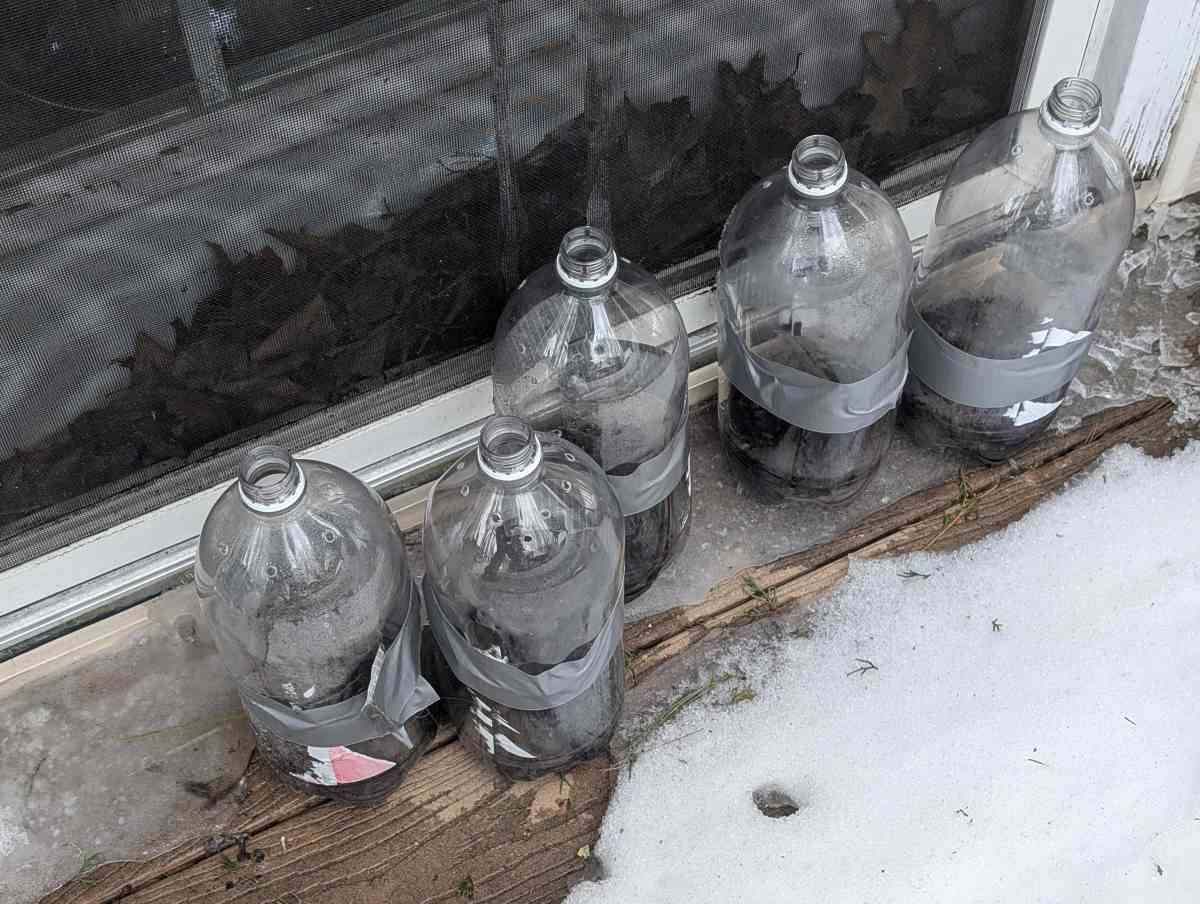
Each year, we are able to give our flower garden a head start by using a technique called winter sowing, specifically focusing on sunflowers. This innovative gardening method leverages readily available materials, such as empty soda bottles, to create a controlled environment that encourages the outdoor germination of seeds, allowing for a jumpstart to the growing season.
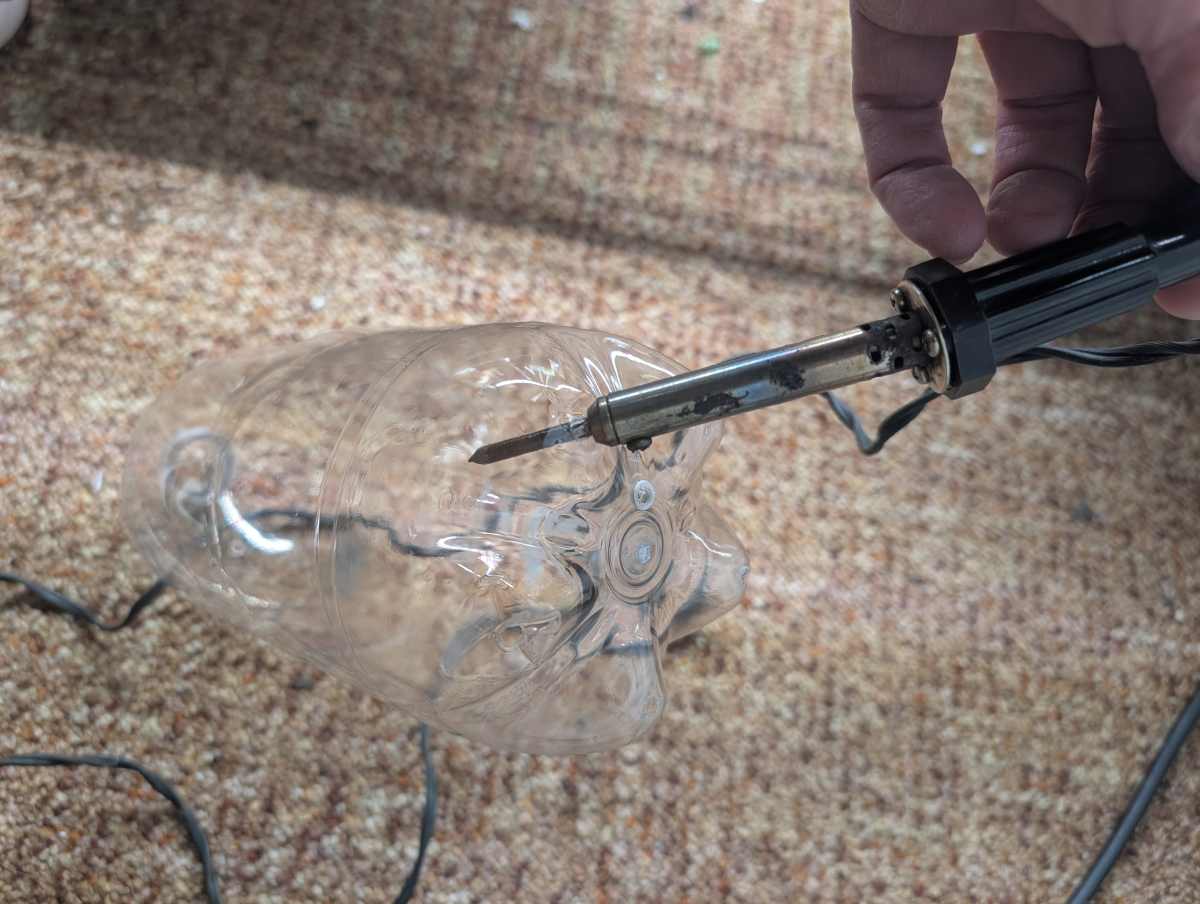
The preparation of the containers involves several key steps. Firstly, drainage is ensured by creating holes in the bottom of each container. Simultaneously, holes are also punched in the top section of the containers; these strategically placed perforations are crucial for facilitating optimal airflow within the growing environment. A hot soldering iron offers a practical and efficient method for creating these holes with precision and speed. After the drainage and ventilation holes are complete, the next step is to prepare the containers for splitting. To do this, a hole is then made in the center of each bottle. This central perforation serves as the starting point for carefully cutting the bottle precisely in half. When cutting, it is important to leave approximately an inch of the bottle intact; this uncut portion will act as a sturdy and functional hinge, allowing for easy access to the plants within the containers.
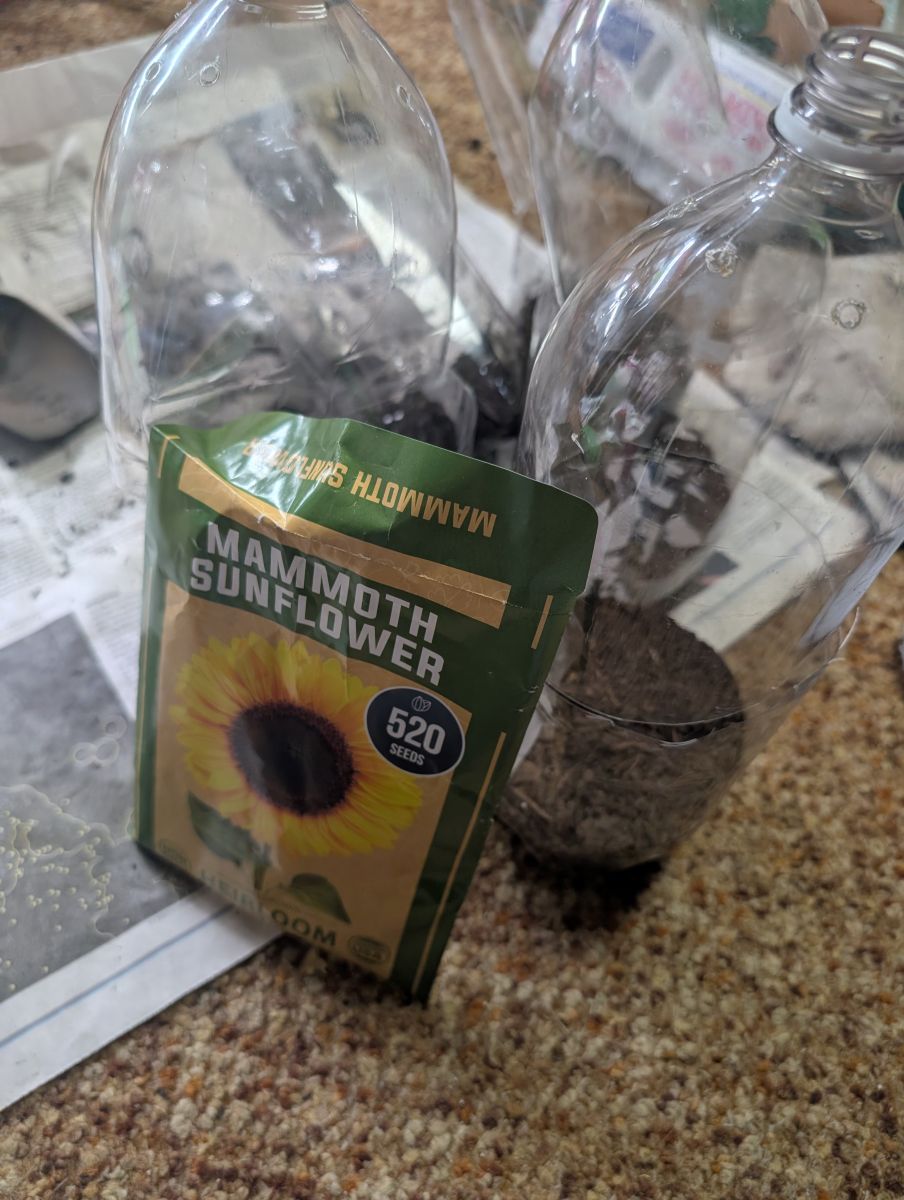
Next, carefully fill the bottom half of your container with a bout two inches of good quality potting mix, ensuring it’s evenly distributed. Once the soil is in place, gently plant the seeds within the soil, making sure to space them according to the seed packet’s recommendations if available. After planting, provide a thorough watering, ensuring the soil is moistened but not waterlogged. For our winter sowing experiment, we opted for mammoth sunflower seeds, known for their impressive size and vibrant blooms.
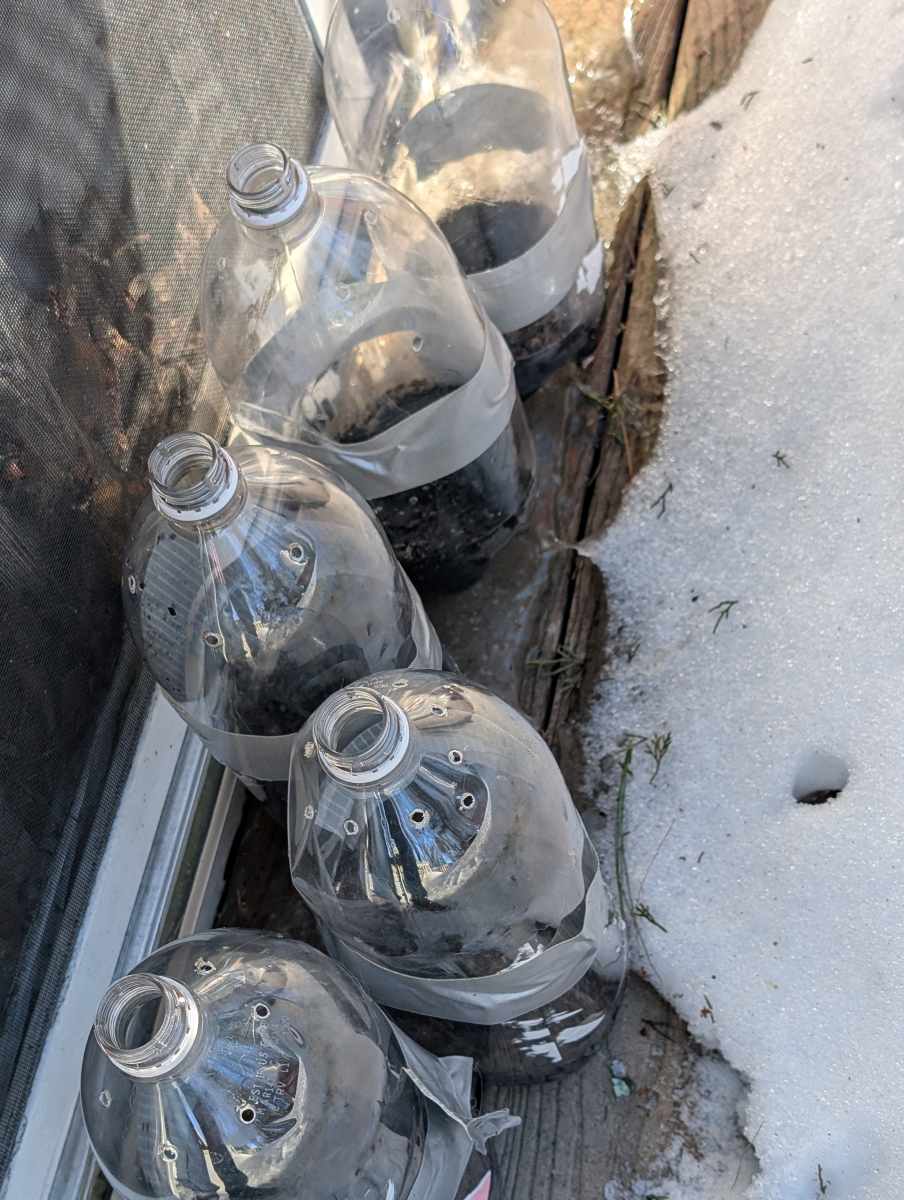
To complete the seed germination process, carefully secure the top of the bottle using either duct tape or masking tape, ensuring a relatively airtight seal. Then, position the bottle in an outdoor location where it will receive adequate sunlight and be exposed to the changing temperatures of the seasons. As the weather gradually warms, the seeds within should begin to sprout, indicating the start of their growth journey. Once you observe the emergence of seedlings, it’s time to provide them with more air circulation; gently remove the tape, allowing the young plants to breathe and adjust to the natural environment. Once the seedlings have developed strong stems and leaves, indicating they are robust enough, it will be time to transplant them from the bottle to your established outdoor garden, where they can continue to thrive and flourish.
Garden Planning and Preparation
In March, we will be starting our vegatable and flower seeds indoors, so now is the time to gather seeds and materials
January 2026
It’s time to begin thinking about the upcoming 2026 gardening season, and we’re already making preparations! This year will be continuing our winter-sowing of sunflowers, getting a head start on our summer flower gardens. Beyond that, we are tending our indoor herb garden, which has become a valuable source of fresh ingredients for our kitchen adventures. We’ve been harvesting dill, using it to create delicious dishes like lemon-dill chicken and salmon. We are growing basil to make homemade pesto, and we’ve recently expanded our indoor herb collection to include lilac, thyme, cilantro, and rosemary, ensuring a diverse array of flavors are always at our fingertips.
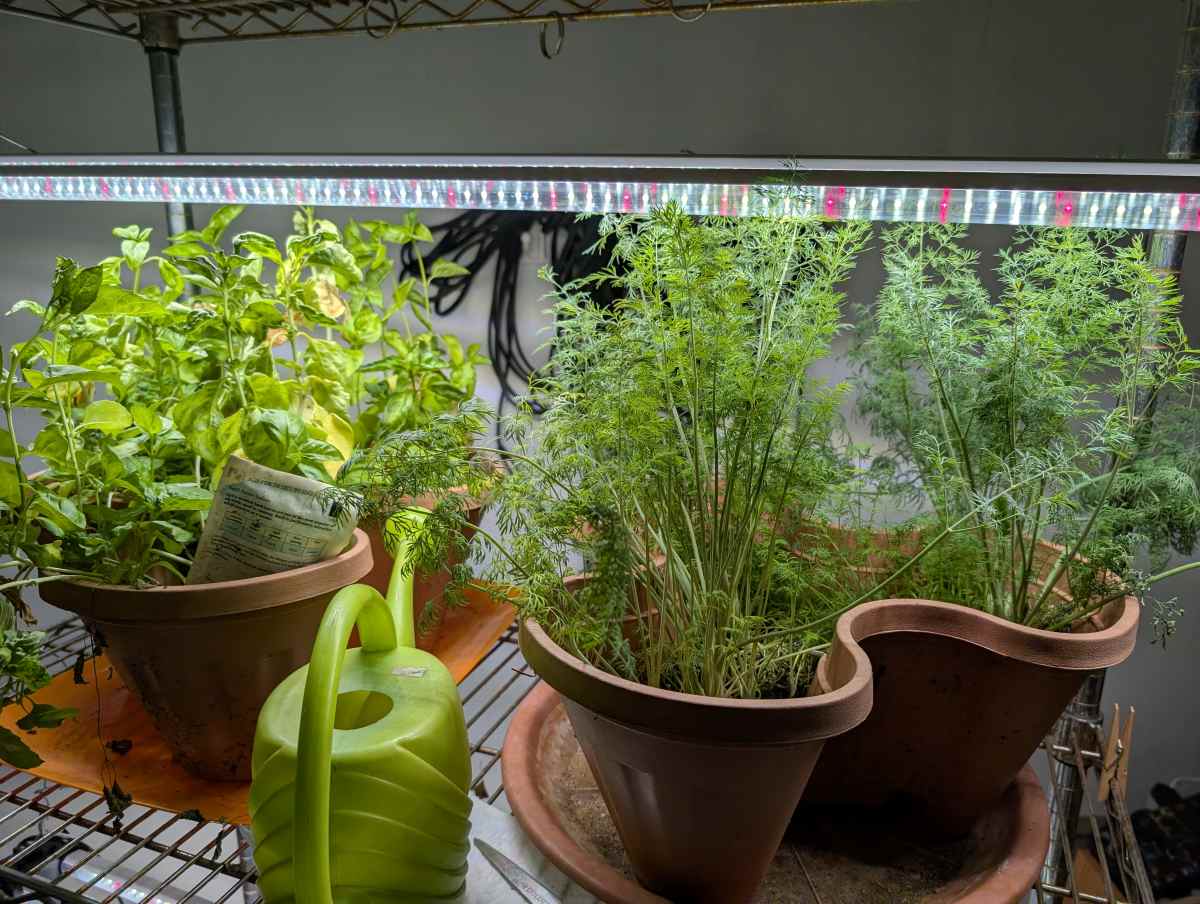
Our next step involves studying seed catalogs, with the goal of selecting high-quality tomato seeds. We will also be preparing the necessary infrastructure for seed germination; specifically, we will be purchasing seed starting trays. Given that standard tomato seed packets typically contain approximately 30 seeds, two 36-cell starting trays will provide ample space for our growing needs. These trays will be for the cultivation of beefsteak tomatoes and the other for cherry tomatoes. Over the years we have determined the best time to start tomatoes indoors is around March 15. Starting the seeds in March insures hardy plants for our tomato garden, starting earlier plants will be spindly with weak stems.
We also need to select our cold weather crops such as lettuce, broccoli, radishes and carrots for early planting outdoors in March or April depending on weather conditions. We will also be starting eggplant, cucamelons and mexican sunflowers, indoors; we will be buying these soon for indoor planting in March or April.
Micro-greens
Growing microgreens is a fun, fast, and nutritious project! This year we will attempting to grow broccoli and kale microgreens
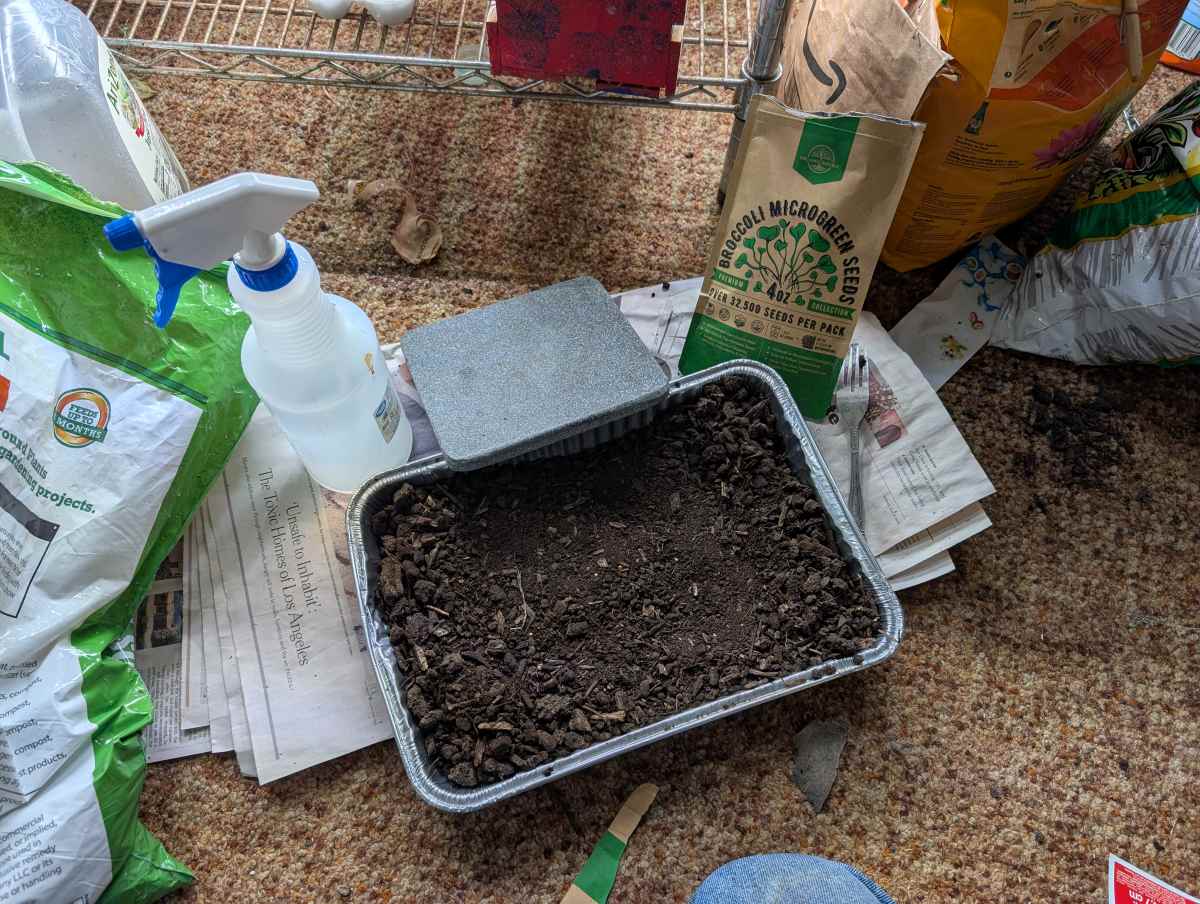
The materials chosen for our microgreen project include:
- aluminum lasagna pan
- potting soil
- brocolli microgreen seeds
- ceramic tile
- pump style water sprayer
Begin by carefully filling the seed-starting pan with approximately one to two inches of high-quality, well-draining potting soil, ensuring it’s evenly distributed across the bottom. Next, take a small, flat tile, such as a discarded square ceramic tile, and gently use it to create a shallow impression or indentation in the prepared soil. Within this prepared space, add a generous layer of the seeds you intend to cultivate. Following this, thoroughly moisten the newly sown seeds by using a mister to apply a fine, even mist of water, ensuring that the soil is damp but not waterlogged. Finally, carefully place the tile back over the seeded area, ensuring it makes good contact with the soil to help retain moisture and protect the germinating seeds.
Outdoor Garden
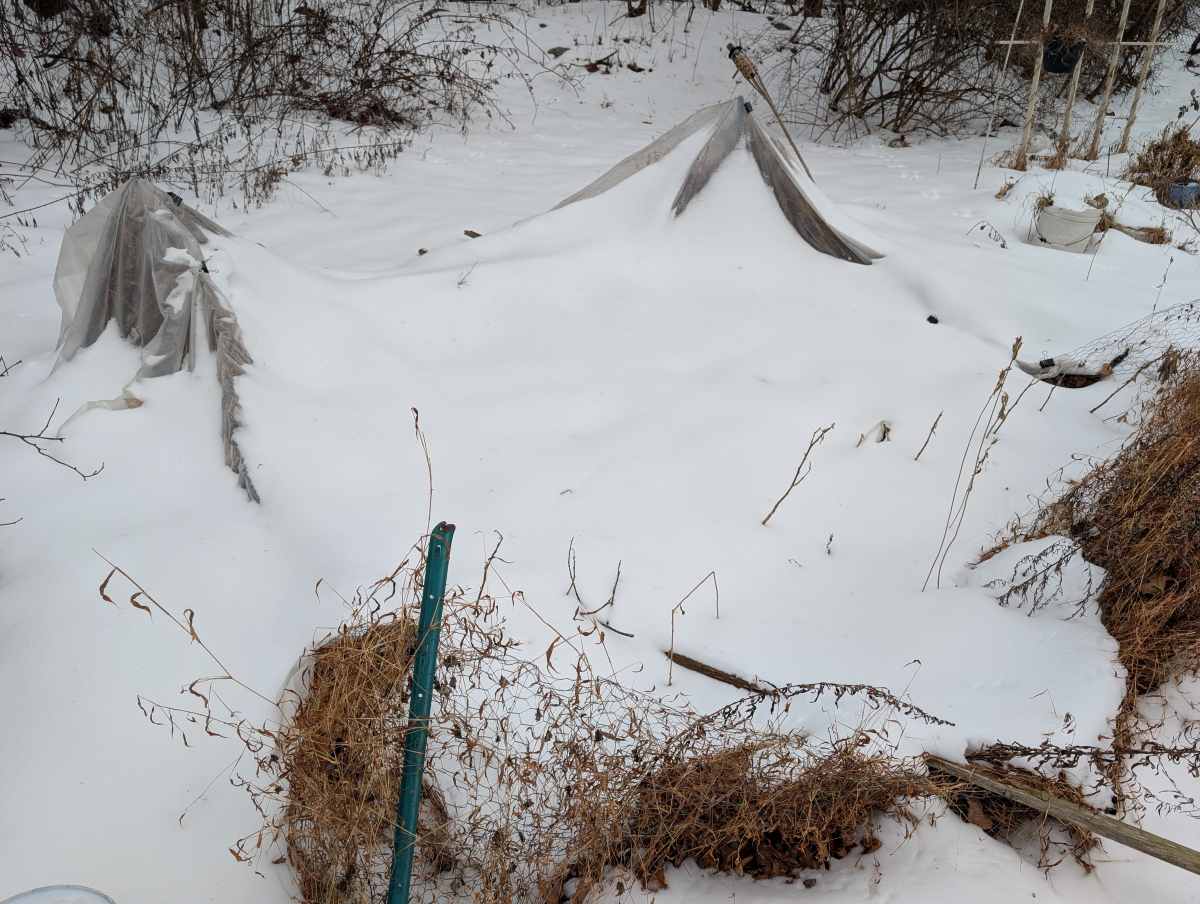
Despite the harsh winter conditions, we have been pleasantly surprised to find that we have been able to successfully harvest some fresh Simpson Black-seeded Lettuce from our garden. To protect the plants from the of snow and ice, we used a simple yet effective strategy: we covered the garden with clear drop cloths. Our primary goals with this method were twofold: to act as a protective barrier against the elements and to attempt to capture and retain any available warmth, even during the coldest days.
November 27, 2025
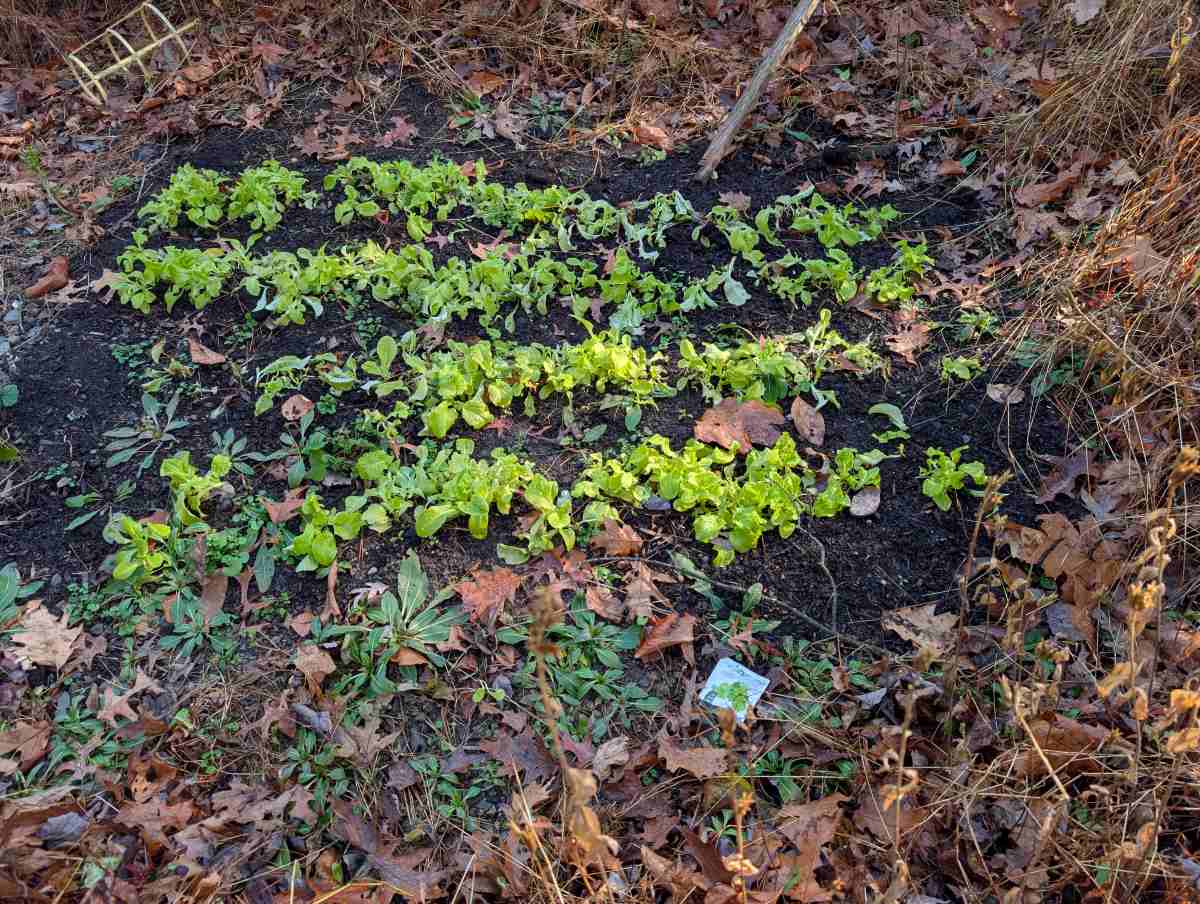
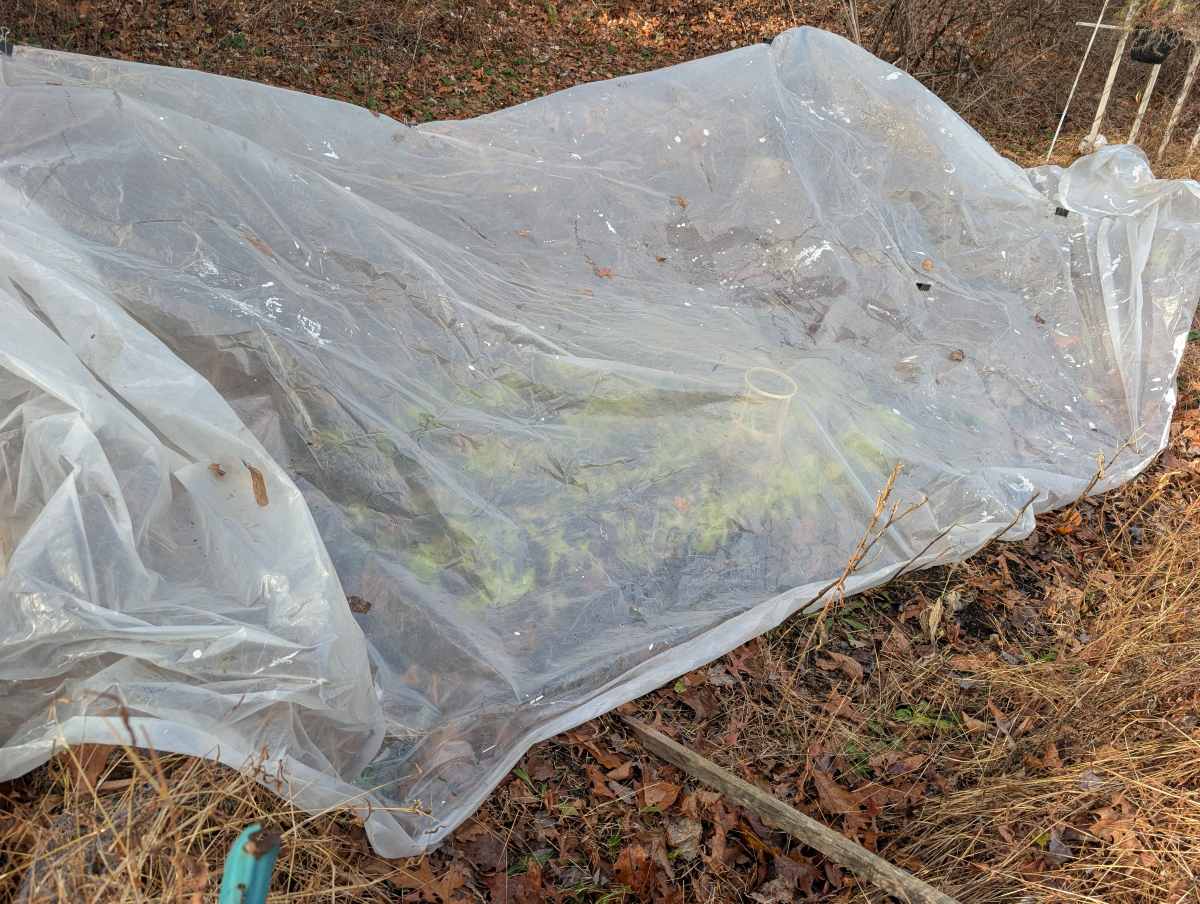
December 17.2025
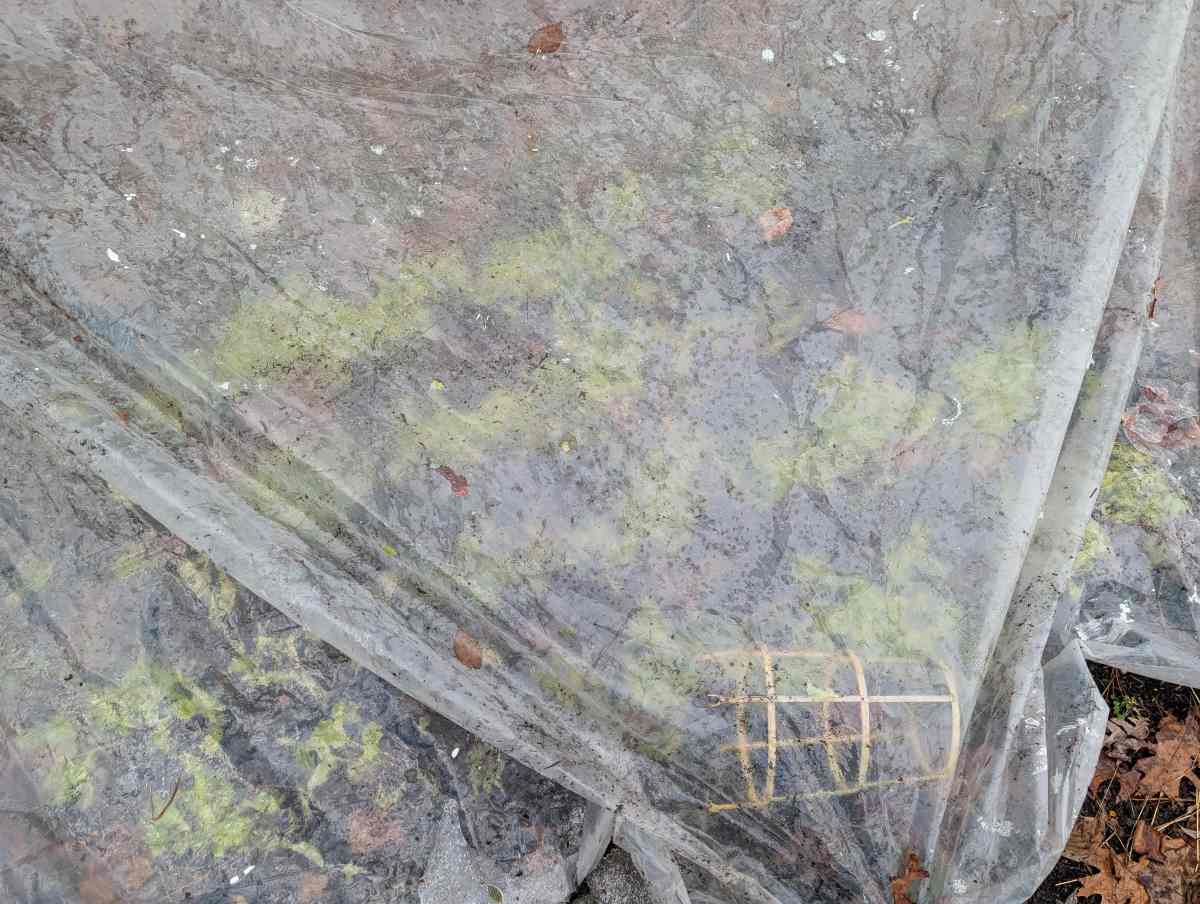
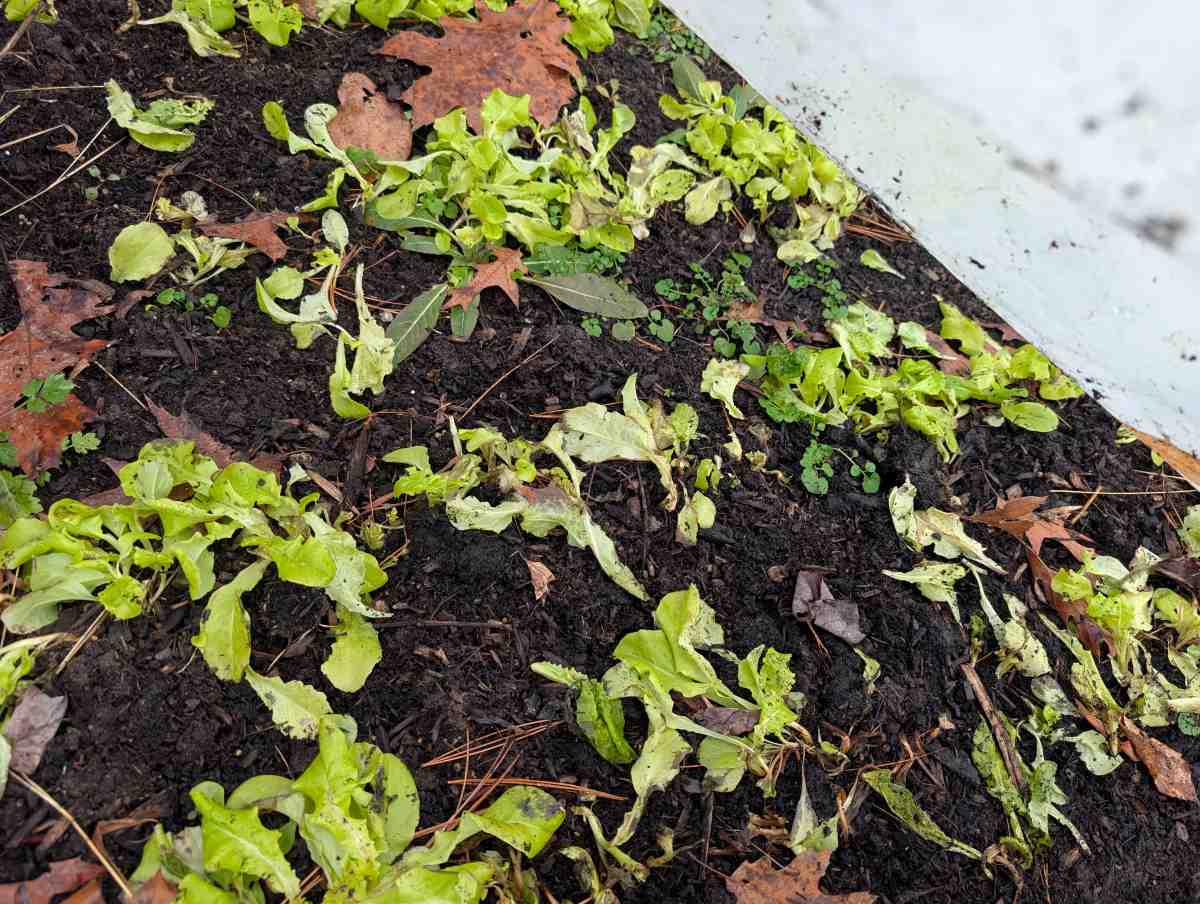
The lettuce garden will be maintained until spring planting time or the plants die off. Afterward, the garden will be tilled for new crops, likely more lettuce.