EDITORS PICK - West Milford (NJ) (Images of America)
West Milford (NJ) (Images of America)- Samantha Vaughan - - Used Book in Good Condition West Milford has always been known for its natural beauty. Its approximately eighty square miles of mountains and lakes have delighted visitors for more than a century. In the mid-1800s, renowned Hudson River School painter Jasper F. Cropsey, who married local resident Maria Cooley, captured many West Milford landscapes in their autumnal splendor. In the late 1800s and early 1900s, many resorts opened in the township and railroads brought wealthy vacationers from New York City to enjoy the countryside. West Milford also has a rich industrial history; ironworks produced cannonballs, stoves, and other items for the Continental militia during the Revolutionary War, including links for iron chains strung across the Hudson River to block access by the British fleet. In West Milford, previously unpublished images of these places and events bring the past to light, providing insight into the township's rich and diverse history. Featured items include images of the 40-room stone mansion Cross Castle, the flight of the airmail rocket Gloria, Idylease Inn during its construction, and the historic town center. Postcards created of local landmarks during West Milford's tourism heyday are included, as well as rare correspondence and letter cover images from the West Milford Museum's Jasper F. Cropsey collection. List Price: $21.99 Our Price:$21.99
OUR PICK - New Jersey by Tanya Lloyd Kyi
New Jersey (America)- Tanya Lloyd Kyi - - Used Book in Good Condition From the Atlantic coast to the Appalachians, from Atlantic City casinos to Revolutionary War battlegrounds, New Jersey is full of contrasts, color, and history. Within the Garden State you can find picturesque coasts, quiet forest trails, and some surprising legacies of the past. List Price: $19.95 Our Price:$18.04
New Jersey Bookstore
Good Night New Jersey (Good Night Our World) -Dennis Clark - - Our World of Books Good Night New Jersey highlights the Atlantic Ocean and sandy beaches, fishing boats, rafting the Delaware Water Gap, blueberry farms in the Pine Barrens, Lucy the Elephant, Asbury Park, Adventure Aquarium, Lakota Wolf Preserve, lighthouses, and more. Welcome to the Garden State! This lovely children's book captures the true spirit of New Jersey. Young readers will discover all the attractions and iconic landmarks this diverse state has to offer.
This book is part of the bestselling Good Night Our World series, which includes hundreds of titles exploring iconic locations and exciting, child-friendly themes.
Many of North America’s most beloved regions are artfully celebrated in these board books designed to soothe children before bedtime while instilling an early appreciation for North America's natural and cultural wonders. Each book stars a multicultural group of people visiting the featured area’s attractions as rhythmic language guides children through the passage of both a single day and the four seasons while saluting the iconic aspects of each place.
This brand-new title from the Appalachian Mountain Club's trusted Best Day Hikes series is your indispensable guide to the 50 top treks in the Garden State, all doable in a day or less. Whether you're an avid hiker or seek adventure in your own backyard, this must-have resource covers all of New Jersey―the northern Skylands, the northeastern Gateway near New York City, the Jersey and Southern shores, the Greater Atlantic City area, and the Delaware River―revealing remarkable natural beauty in the midst of a densely populated region. Explore the urban-adjacent, 4,269-acre Ramapo State Forest, with its views of the New York City skyline; hike New Jersey's famous Pine Barrens; stroll seaside in Hartshorne Woods Park; and tackle the rugged landscape along the Appalachian Trail, in High Point State Park. You'll find hikes for every skill level.
An at-a-glance trip planner highlights the best options near public transportation, as well as those for kids, dogs, and winter snowshoeing and skiing. With GPS coordinates for every trailhead, turn-by-turn directions, and information on time, distance, and difficulty for each hike, as well as enriching essays about the area's natural and social history, this is your quintessential guide to uncovering and exploring the hidden gems of a verdant landscape.
Inside You'll Find:
50 recommended hikes for all ability levels
GPS coordinates for every trailhead
Locator map and at-a-glance trip planner for easy selection
Detailed maps showing parking areas, trails, and natural highlights
Summaries of time, distance, and difficulty level for each trail
Hiking and safety tips, including what to carry in your pack
Essays on the flora, fauna, and historic landmarks of the region
ALSO AVAILABLE
AMC's Best Day Hikes near Philadelphia: Four-Season Guide to 50 of the Best Trails in Eastern Pennsylvania, New Jersey, and Delaware, 2nd Edition, by Susan Charkes
ISBN: 978-1-62842-090-1
Quiet Water Mid-Atlantic: AMC's Canoe and Kayak Guide to the Best Ponds, Lakes, and Easy Rivers, from Pennsylvania to Virginia, by Rachel Cooper
ISBN-13: 978-1-62842-087-6
Best Day Hikes near Washington, D.C.: Four-Season Guide to 50 of the Best Trails in Maryland, Virginia & the Nation's Capital, 2nd Edition, by Beth Homicz and Annie Eddy
“They are the chroniclers of the creepy, bards of the bizarre… Mr. Sceurman and Mr. Moran have created a journal of New Jersey’s unwritten history.” —The New York Times
“Enough with the head-severing mobsters of Jersey. The state is packed with far more evil than TV could ever invent. And Weird N.J. has the pictures to prove it.” —Rolling Stone
“If it’s the offbeat, paranormal or downright weird that you crave…there could be no better place”
—USA Today
List Price:$14.95 Our Price:$12.74
Essentials of New Jersey Real Estate, 13th Edition -ARRAY(0x3554a30) - - Recent Updates - Legislative Changes - Web Resources - Over 800 Test Prep Questions - Parallel the state-mandated number of instruction hours
The topics covered in Essentials of New Jersey Real Estate parallel the state-mandated number of instruction hours.
Recent updates include legislative changes, web resources, and more.
This text contains over 800 test prep questions and has been updated to provide the latest New Jersey policy and law changes.
This completely updated treasury of trails takes you to the best wild places in the Garden State.
Hike along the Appalachian ridge or over the ragged Wyanokies, pass into pine barrens or through marshes and dunes on the coast, and you’ll see that New Jersey has so much more than just cities. This fully revised edition takes you deep into its wild heart.
New Jersey native John Holl searched from Sussex County to Cape May to find the best recipes New Jersey has to offer, and the result is this rich and unique cookbook celebrating the foods, flavors, cultures, and traditions of the Garden State. These 150 recipes include dishes featuring New Jersey’s own produce — tomatoes, corn, cranberries, blueberries, apples — along with deep-fried boardwalk treats, late-night diner bites, and recipes contributed by casinos, bison and dairy farms, food trucks, old-school delis, famous bakeries, and more. You’ll find Pork Roll Surprise, Cucumber Gazpacho, Ukrainian Holubtsi, Funnel Cake at Home, Tomato and Onion Salad, Jersey Green Clam Chowder, Sunday Gravy, Saltwater Taffy, Traditional Amish Chili, Classic Lawrenceville Mac & Cheese, Jersey Disco Fries, Fresh Jersey Corn Cakes, Honey Thyme Caramel, Black and Blue Cobbler — and a classic Taylor Ham, Egg, and Cheese Sandwich. Beautifully photographed, this collection is the ultimate tribute to New Jersey’s best.
Make bird watching in New Jersey even more enjoyable! With Stan Tekiela’s famous field guide, bird identification is simple and informative. There’s no need to look through dozens of photos of birds that don’t live in your area. This book features 122 species of New Jersey birds, organized by color for ease of use. Do you see a yellow bird and don’t know what it is? Go to the yellow section to find out. Fact-filled information, a compare feature, range maps, and detailed photographs help to ensure that you positively identify the birds that you see.
Learn how to pass the New Jersey Police Officer Exam and become a Police Officer. The New Jersey Law Enforcement Exam Review Guide includes practice questions and instruction on how to tackle the specific subject areas on the New Jersey Police Officer Exam. Network4Learning has found the most up-to-date information to help you succeed on the New Jersey Law Enforcement Exam (LEE).The New Jersey Law Enforcement Exam (LEE) Review Guide helps you prepare for the test by reviewing only the material found on the actual Exam. By cutting through anything unnecessary and avoiding generic chapters on material not tested, our New Jersey Law Enforcement Exam (LEE) Review Guide makes efficient use of your time. Our authors are experienced teachers who are constantly taking civil service exams and researching current methods in assessment. This research and experience allow us to create guides that are current and reflect the actual exam questions on the Exam beautifully. This New Jersey Law Enforcement Officer Exam review guide includes sections on:
Insider information about the New Jersey LEE Exam
An overview of the Test
Test Preparation Strategies
Exam Subareas and Practice Questions
Our mission at Network4Learning is to provide the most current and useful information. We tirelessly research and write about exams- providing you with the most useful review material available for the Exam. Best of luck and success on the 2019 New Jersey Law Enforcement Exam (LEE)!
What's so great about New Jersey? Find out the top ten sites to see or things to do in the Garden State! We'll explore New Jersey's historic parks, exciting museums, popular beaches, and rich history. The New Jersey by Map feature shows where you'll find all the places covered in the book. A special section provides quick state facts such as the state motto, capital, population, animals, foods, and more. Take a fun-filled tour of all there is to discover in New Jersey.
List Price:$7.95 Our Price:$5.64
Stories from New Jersey Diners: Monuments to Community (American Palate) -Michael C. Gabriele - Diners are where communities across the Garden State go to celebrate milestones, form lifetime bonds and take comfort in food. Daily life at the counter or in the booth inspires sentimental recollections that reflect the state's spirit and history. Late-night eats fueled Wildwood's wild rock-and-roll days. An entrepreneur traveled eight thousand miles from India and opened a diner in Shamong. From an impromptu midnight wedding in an Elizabeth lunch wagon to a Vietnam veteran sustained by a heartfelt note from a beloved Mount Holly waitress, these are true tales from the soul of New Jersey. Author Michael C. Gabriele documents colorful stories from the Diner Capital of the World.
Never garden alone! The Month-By-Month series is the perfect companion to take the guesswork out of gardening. With this book, you'll know what to do each month to have gardening success all year. Written by authors in your state, the information is tailored to the issues that affect your garden the most. When is the best time to plant trees and shrubs? Should I fertilize my lawn now? Is it time to prune my roses? What should I be doing in my garden this month? You'll find the answers to these questions and much more inside. This easy-to-use book highlights each of the ten major plant categories using a monthly format. It guides you through each month of the year, telling you exactly what your garden needs. It is like having an expert in the garden with you all year long. Valuable hints are located throughout the book, and beautiful photographs will inspire you. Written just for gardeners where you live, you can be confident that the information is right for you-and your garden will show it.
Gardeners living in New York or New Jersey need this easy-to-use guide for year-round plant care!
If you're a passionate gardener and a resident of New York or New Jersey, there's a book you must acquire for your bookshelf: New York & New Jersey Month-by-Month Gardening. Falling in line with the Cool Springs Press gardening series, this book provides monthly gardening advice, written just for New York and New Jersey gardeners.
This gardeners' guide is organized according to calendar month--January through December. Each month is divided into the following categories: planning, planting, caring for plants, watering, fertilizing, and problem solving. Within those categories, gardeners will find the major plant groups (annuals, edibles, perennials, trees, lawn, and shrubs) covered in detail. Learn the proper time to plant your favorite bulbs and edibles, and find out how to plant bare-root trees. From planting perennials to coming up with a strategy for pest management, New York & New Jersey Month-by-Month Gardening guides readers through every major question that crops up.
With essential how-to information organized into helpful sidebars as well as step-by-step photos to illustrate technique, this book is a veritable road map for a year's worth of gardening tasks in this diverse region. Roll up your sleeves, gardeners, and prepare to get dirty!
List Price:$24.99 Our Price:$15.25
Gardens of the Garden State -ARRAY(0x33f0118) - A glorious photographic tour of the public and private gardens of New Jersey—from historic formal gardens of former estates, to suburb gardens, horticulturists’ havens, and fresh takes on front yards.
The most densely populated state in the nation and one of the original thirteen, home to the largest public iris garden in the country, and the glacier-swept endpoint of the last Ice Age—for Nancy Berner and Susan Lowry, who look to gardens as an entry to the history and culture of a region, New Jersey presents an array of surprising diversity. Its temperate climate makes it possible to grow a wide range of plants, while its complex topography—ranging from mountains to rolling hills and flat basins, the scrubby Pine Barrens and the rich Coastal Plain—demands innovative approaches to design.
The twenty-eight selected gardens—from Skylands, with its specimen trees, woodland and rock gardens, and lilac collection close to the New York border, to the elegant formal gardens of Short Hills, Bernardsville, and Oldwick, to a wildlife garden filled with frogs and butterflies and a lighthouse garden near Cape May—illustrate the ways in which New Jersey’s long garden traditions are upheld to this day. Gemma and Andrew Ingalls’ stunning photographs bring out the manifold ways in which a garden might speak to us in its owner’s or designer’s voice, expressing a particular point of view.
Grow Great Vegetables in New Jersey is the ultimate guide to growing food in the Garden State! This must-have guide to growing vegetables, fruits, and herbs provides you with insider advice on climate zones, average frost dates, and growing season details. Information includes details on sun, soil, fertilizer, mulch, water, and the best varieties for your region. A garden planning section helps with design and crop rotation, and monthly lists explain what to do from January through December. In-depth profiles of fifty best edibles help ensure a can’t-miss harvest.
Growing vegetables requires regionally specific information—what to plant, when to plant it, and when to harvest are based on climate, weather, and first frost. The Timber Press Guide to Vegetable Gardening in the Northeast tackles this need head on, with regionally specific growing information written by local gardening expert, Marie Iannotti. Monthly planting guides show exactly what you can do in the garden from January through December. The skill sets go beyond the basics with tutorials on seed saving, worm bins, and more.
This must-have book is for gardeners in Connecticut, Delaware, Maine, Massachusetts, New Hampshire, New Jersey, New York, Pennsylvania, Rhode Island, and Vermont. The southernmost parts of Ontario, New Brunswick, Novia Scotia, and Quebec are also included.
With a northern, coastal climate, New Jersey can be a difficult state for landscape gardeners. "The New Jersey Gardener's Guide" takes the guesswork out of gardening by offering state-specific, detailed information that generic national publications cannot. The book is the first of its kind for New Jersey because it provides readers with information on what plants will thrive in New Jersey backyards. Pegi Ballister-Howells knows the challenges of gardening in New Jersy and has written special sections that are devoted to plants for winter interest and plants for the shore area. The New Jersey Gardener's Guide is written for gardeners of all levels so everyone can achieve the garden of their dreams.
Even beginner gardeners can select plants to create a stunning garden as unique as the Empire or Garden State - with expert help to ensure success!
New York & New Jersey Getting Started Garden Guide is a plant selection guide, perfect for when you're choosing plants and starting a garden in a climate that can be as challenging as it is beautiful. Choose the right plants and care for them properly, with help from an expert. Vincent Simeone, one of the area's most highly respected and experienced gardeners, shares his deep knowledge of the region, gardens, and plants in a lively, upbeat style.
The author's top picks for plants that will thrive in this area's winter cold, soils, coastal conditions, urban living, and other unique growing conditions guarantee success for area gardeners and home landscapers. Plants are divided into easy-to-browse chapters such as Annuals, Bulbs, Groundcovers, Ornamental Grasses, Perennials, Shrubs, Trees, Lawns, and Vines. Each plant is highlighted in its respective chapter with a large full-color photograph and tips on how, when, and where to plant.
New York & New Jersey Getting Started Garden Guide doesn't stop at plant selection. Methods for preparing soil, watering, fertilizer application, and pest management are also covered in detail. Along with the "nitty-gritty" of tending your garden, Vincent shares his inspiration for garden design, offers ways to incorporate your plants into the landscape, and names some favorite cultivars or species. His sound, practical advice is clothed in beautiful descriptions of each plant that will inspire you to get your hands dirty!
Now all gardeners living in the Mid-Atlantic can unlock the secrets to successful gardening in their region, thanks to this informative, fully illustrated handbook!
Mid-Atlantic Gardener's Handbook has everything a gardener needs for successful planting and growing in the Mid-Atlantic region--all contained in one easy-to-reference book. Comprehensive to the core, this book is different from other gardening guidebooks because it's written exclusively for gardeners who live in Delaware, Maryland, New Jersey, New York, Pennsylvania, Virginia, West Virginia, or Washington, D.C. Subjects covered include plant selection and when-to gardening maintenance information. Planting and growing information for edibles is also included, along with plant selections for the most common plant categories.
As an important component in the CSP Gardener's Handbook series, this an all-inclusive gardener's reference book offers plant information as well as the critical when-to-do-it information. Additionally, the book covers ornamental landscape and edible plants, as well as monthly when-to tips. It is the undisputed handbook for gardening in the Mid-Atlantic. Some chapters include:
Introduction to Gardening
Annuals
Perennials & Ornamental Grasses
Bulbs, Corms, Tubers and Rhizomes
Herbs & Vegetables
Groundcovers
Lawn Grasses
Shrubs
Trees
Vines
List Price:$24.99 Our Price:$18.95
Native Plants of the Northeast: A Guide for Gardening and Conservation -Donald J. Leopold - - Used Book in Good Condition If you've always wanted to garden with native plants, this book is for you. With entries for nearly 700 species of native trees, shrubs, vines, ferns, grasses, and wildflowers from the northeastern quarter of the U.S. and eastern Canada, its comprehensive horticultural coverage is unsurpassed by any other single volume. The natural ranges of many of the plants discussed extend beyond the Northeast; the information on horticultural uses applies to any garden. Each plant description includes information about cultivation and propagation, ranges, and hardiness. An appendix recommends particular plants for difficult situations, as well as attracting butterflies, hummingbirds, and other wildlife. Illustrated throughout with color photographs.
This book includes more than 60 fruits, vegetables, and herbs selected for growing success in the diverse growing conditions of Northeast gardens. Northeast Fruit & Vegetable Gardening addresses the climate, soil, sun, and water conditions that affect growing success and includes advice for extending the growing season. Each plant profile highlights planting, growing, watering, and care information. Helpful charts and graphs assist gardeners in knowing when to plant and harvest.
New Jersey: A History of the Garden State presents a fresh, comprehensive overview of New Jersey’s history from the prehistoric era to the present. The findings of archaeologists, political, social, and economic historians provide a new look at how the Garden State has evolved.
The state has a rich Native American heritage and complex colonial history. It played a pivotal role in the American Revolution, early industrialization, and technological developments in transportation, including turnpikes, canals, and railroads. The nineteenth century saw major debates over slavery. While no Civil War battles were fought in New Jersey, most residents supported it while questioning the policies of the federal government.
Next, the contributors turn to industry, urbanization, and the growth of shore communities. A destination for immigrants, New Jersey continued to be one of the most diverse states in the nation. Many of these changes created a host of social problems that reformers tried to minimize during the Progressive Era. Settlement houses were established, educational institutions grew, and utopian communities were founded. Most notably, women gained the right to vote in 1920. In the decades leading up to World War II, New Jersey benefited from back-to-work projects, but the rise of the local Ku Klux Klan and the German American Bund were sad episodes during this period.
The story then moves to the rise of suburbs, the concomitant decline of the state’s cities, growing population density, and changing patterns of wealth. Deep-seated racial inequities led to urban unrest as well as political change, including such landmark legislation as the Mount Laurel decision. Today, immigration continues to shape the state, as does the tension between the needs of the suburbs, cities, and modest amounts of remaining farmland.
Well-known personalities, such as Jonathan Edwards, George Washington, Woodrow Wilson, Dorothea Dix, Thomas Edison, Frank Hague, and Albert Einstein appear in the narrative. Contributors also mine new and existing sources to incorporate fully scholarship on women, minorities, and immigrants. All chapters are set in the context of the history of the United States as a whole, illustrating how New Jersey is often a bellwether for the nation..
List Price:$21.95 Our Price:$19.76
Founders of New Jersey: First Settlements, Colonists and Biographies by Descendants -Evelyn Hunt Ogden - Descendants of founders of New Jersey reside within the state, across the nation and around the world. Explore the lives and motivations of the men and women who colonized the state through colonial records, settlement histories, and biographies providing interesting insights into the early culture and development of the state. Family historians, genealogists, and historical researchers will value the documentation of 2000 17th and early 18th century colonists, events, settlements, grantors, grantees, deed holders, signers of patents, ship passengers and Native American sellers of land. Descendants of Founders of New Jersey is an organization dedicated to preserving New Jersey’s rich heritage. We hope this book inspires other descendants of New Jersey’s pioneers to join Descendants of Founders of New Jersey (www.njfounders.org) and to memorialize their New Jersey roots.
Winner of the 2017 New Jersey Studies Academic Alliance Author Award, Reference Category
See New Jersey history as you read about it! Envisioning New Jersey brings together 650 spectacular images that illuminate the course of the state’s history, from prehistoric times to the present. Readers may think they know New Jersey’s history—the state’s increasing diversity, industrialization, and suburbanization—but the visual record presented here dramatically deepens and enriches that knowledge.
Maxine N. Lurie and Richard F. Veit, two leading authorities on New Jersey history, present a smorgasbord of informative pictures, ranging from paintings and photographs to documents and maps. Portraits of George Washington and Molly Pitcher from the Revolution, battle flags from the War of 1812 and the Civil War, women air raid wardens patrolling the streets of Newark during World War II, the Vietnam War Memorial—all show New Jerseyans fighting for liberty. There are also pictures of Thomas Mundy Peterson, the first African American to vote after passage of the Fifteenth Amendment; Paul Robeson marching for civil rights; university students protesting in the 1960s; and Martin Luther King speaking at Monmouth University. The authors highlight the ethnic and religious variety of New Jersey inhabitants with images that range from Native American arrowheads and fishing implements, to Dutch and German buildings, early African American churches and leaders, and modern Catholic and Hindu houses of worship. Here, too, are the great New Jersey innovators from Thomas Edison to the Bell Labs scientists who worked on transistors.
Compiled by the authors of New Jersey: A History of the Garden State, this volume is intended as an illustrated companion to that earlier volume. Envisioning New Jersey also stands on its own because essays synthesizing each era accompany the illustrations. A fascinating gold mine of images from the state’s past, Envisioning New Jersey is the first illustrated book on the Garden State that covers its complete history, capturing the amazing transformation of New Jersey over time.
Thanks to the New Jersey Historical Commission, the New Jersey Council for the Humanities, and generous individual donors for making this project possible.
List Price:$25.00 Our Price:$25.00
History of the New Jersey Highway Patrol 1906-1984 -ARRAY(0x347b160) - This book will Chronicle the history of the New Jersey Highway Patrol from it's beginning in 1906 with only three full-time inspectors supplemented by four unpaid Special Inspectors to its 1984 merger of 125 Inspectors into the ranks of the New Jersey State Police. It will also memorialize the progression of its history from their Navy uniforms to the black and gray uniforms on their final uniforms of the blue and gold. It will create a lasting record of the duties, training, equipment and men who had the distinction of calling themselves Motor Vehicle Inspectors of the New Jersey Department of Motor Vehicles Highway Patrol.
List Price:$24.95 Our Price:$24.95
Ghost Towns: And Other Quirky Places in the New Jersey Pine Barrens -Barbara Solem-Stull - The Pine Barrens of New Jersey contain more ghost towns, some say, than the entire American West. In Ghost Towns and Other Quirky Places in the New Jersey Pine Barrens, Barbara Solem-Stull tells the story of the towns that rose up around the iron furnaces, glass factories, paper mills, cranberry farms, and brick-making establishments of the 18th, 19th, and early 20th centuries. Loaded with easy-to-use maps and more than 100 photographs and illustrations, the book provides driving directions and self-guided walking tours of many of the Pine Barrens’ most intriguing historic sites and ruins. This is a unique field guide for anyone interested in reading about the history of Pinelands ghost towns and in exploring these long-ago communities firsthand.
List Price:$19.95 Our Price:$9.49
Hidden History of New Jersey -ARRAY(0x34c7078) - Explore the lesser-known stories that make up New Jersey's compelling hidden history. Uncover the meaning of Jersey Blues," celebrate some of the state's bravest Revolutionary and Civil War soldiers and investigate Jersey City's most infamous ghost. From the inferno that engulfed Asbury Park, to the benevolent side of Frank Hague, to the equestrienne who plunged forty feet into a pool of water on horseback in Atlantic City, rediscover these and many other events from New Jersey's storied past."
List Price:$19.99 Our Price:$19.99
A History of Inventing in New Jersey: From Thomas Edison to the Ice Cream Cone -Linda J. Barth - Many Americans are familiar with Thomas Edison's "invention factory" in Menlo Park, where he patented the phonograph, the light bulb and more than one thousand other items. Yet many other ideas have grown in the Garden State, too--New Jerseyans brought sound and music to movies and built the very first drive-in theater. In addition to the first cultivated blueberry, tasty treats like ice cream cones and M&Ms are also Jersey natives. Iconic aspects of American life, like the batting cage, catcher's mask and even professional baseball itself, started in New Jersey. Life would be a lot harder without the vacuum cleaner, plastic and Band-Aids, and many important advances in medicine and surgery were also developed here. Join author Linda Barth as she explores groundbreaking, useful, fun and even silly inventions and their New Jersey roots.
List Price:$19.99 Our Price:$19.99
On This Day in New Jersey History -ARRAY(0x341a4b0) - The history of the Garden State is filled with well-known events and forgotten happenings. German Americans opened the nation's first kindergarten in Hoboken on February 11, 1861. Prohibition brought more than two hundred bootleggers together in Sea Bright on August 15, 1924, to discuss a fixed price on their product. As America fought World War I and desperately needed ammunition, the T.A. Gillespie Shell plant exploded in Sayreville on October 4, 1918, killing at least one hundred people. From military feats and shady politics to the extraordinary episodes in the lives of everyday people, explore an entire year of events from New Jersey's history. Local historians Joseph Bilby, James Madden and Harry Ziegler chronicle the state's most intriguing and monumental moments--one for each date on the calendar.
List Price:$19.99 Our Price:$19.51
The History of Diners in New Jersey (American Palate) -Michael C. Gabriele - The silver Airstreams and neon signs of the classic American diner brighten New Jersey's highways and Main Streets. But the intrinsic role they have played in the state's culture and industry for more than one hundred years is much more than eggs-over-easy and coffee. Diners are the state's ultimate gathering places--at any moment, high school students, CEOs, construction workers and tourists might be found at a counter chatting with the waitresses and line cooks. Jerseyans yearn for lost favorites like the Excellent Diner and Prout's Diner and still gather at beloved haunts like the Bendix and Tick Tock Diners. Although the industry is all but gone today, New Jersey was once the hub of diner manufacturing, making mobile eateries that fed hungry Americans as far away as the West Coast. Author Michael C. Gabriele offers this delicious history--collected from interviews with owners, patrons and experts--and indulges in many fond memories of New Jersey diners.
List Price:$19.99 Our Price:$12.70
350 Years of New Jersey History: From Stuyvesant to Sandy -ARRAY(0x337e488) - In 2014, the great state of New Jersey celebrates its sesquarcentennial--its 350th year since being founded in 1664. First settled as part of New Netherland, each year since has brought moments to remember. In this collection, Jersey authors Joseph Bilby, James Madden and Harry Ziegler present some of these events from each year. Some are well known and important, like the Revolutionary War Battle of Trenton and the many patents filed by Thomas Edison. Others are quirky, such as the birth of the creator of Felix the Cat in 1892 and the opening of America's first traffic circle in 1925. And still others are proud, like the many ways Jersey regiments have served the United States. Discover more than 350 trials and triumphs that have shaped the Garden State.
This completely updated treasury of trails takes you to the best wild places in the Garden State.
Hike along the Appalachian ridge or over the ragged Wyanokies, pass into pine barrens or through marshes and dunes on the coast, and you’ll see that New Jersey has so much more than just cities. This fully revised edition takes you deep into its wild heart.
This brand-new title from the Appalachian Mountain Club's trusted Best Day Hikes series is your indispensable guide to the 50 top treks in the Garden State, all doable in a day or less. Whether you're an avid hiker or seek adventure in your own backyard, this must-have resource covers all of New Jersey―the northern Skylands, the northeastern Gateway near New York City, the Jersey and Southern shores, the Greater Atlantic City area, and the Delaware River―revealing remarkable natural beauty in the midst of a densely populated region. Explore the urban-adjacent, 4,269-acre Ramapo State Forest, with its views of the New York City skyline; hike New Jersey's famous Pine Barrens; stroll seaside in Hartshorne Woods Park; and tackle the rugged landscape along the Appalachian Trail, in High Point State Park. You'll find hikes for every skill level.
An at-a-glance trip planner highlights the best options near public transportation, as well as those for kids, dogs, and winter snowshoeing and skiing. With GPS coordinates for every trailhead, turn-by-turn directions, and information on time, distance, and difficulty for each hike, as well as enriching essays about the area's natural and social history, this is your quintessential guide to uncovering and exploring the hidden gems of a verdant landscape.
Inside You'll Find:
50 recommended hikes for all ability levels
GPS coordinates for every trailhead
Locator map and at-a-glance trip planner for easy selection
Detailed maps showing parking areas, trails, and natural highlights
Summaries of time, distance, and difficulty level for each trail
Hiking and safety tips, including what to carry in your pack
Essays on the flora, fauna, and historic landmarks of the region
ALSO AVAILABLE
AMC's Best Day Hikes near Philadelphia: Four-Season Guide to 50 of the Best Trails in Eastern Pennsylvania, New Jersey, and Delaware, 2nd Edition, by Susan Charkes
ISBN: 978-1-62842-090-1
Quiet Water Mid-Atlantic: AMC's Canoe and Kayak Guide to the Best Ponds, Lakes, and Easy Rivers, from Pennsylvania to Virginia, by Rachel Cooper
ISBN-13: 978-1-62842-087-6
Best Day Hikes near Washington, D.C.: Four-Season Guide to 50 of the Best Trails in Maryland, Virginia & the Nation's Capital, 2nd Edition, by Beth Homicz and Annie Eddy
Best Easy Day Hikes Northeast New Jersey includes concise descriptions of the best short hikes in the area, with detailed maps of the routes. The 20 hikes in this guide are generally short, easy to follow, and guaranteed to please.
Printed in vibrant color on waterproof and tear-resistant Tyvek, this revised, digitally-produced two-map set is a must-have for outdoor enthusiasts interested in exploring the rich network of trails in the vast parklands of northern New Jersey.
The maps in this set feature:
Over 275 miles of marked trails within more than 20 parks in northern New Jersey, including Ringwood State Park, Ramapo Valley County Reservation, Ramapo Mountain State Forest, Norvin Green State Forest, Wawayanda State Park, Abram S. Hewitt State Forest, and the Pequannock Watershed
Nearly 15 miles of the Appalachian Trail and 40 miles of the Highlands Trail
20-foot elevation contours
1:40,000 scale (1 inch = 0.63 mile)
Convenient map sizes to carry and use on the trail
Complete trail index and guide to trail blazing on map backs
Enlarged inset maps of Ramapo Valley County Reservation and Campgaw Mountain County Reservation
State land boundaries
Unmaintained trails and woods roads
Shelters and springs
Viewpoints, waterfalls, mines, and other points of interest
Parking areas
Public transportation
Park contact information, history, and regulations
UTM coordinate grid
Built on more than 75 years of mapping experience, New York-New Jersey Trail Conference maps are your source for reliable trail information in the New York-New Jersey metropolitan region. These maps are Made By the People Who Build the Trails and are regularly updated with changes to the trails.
You don't have to travel far from New York City to find some of the best day hikes in the Northeast. This guidebook from the Appalachian Mountain Club's Best Day Hikes series takes you to 50 of the best excursions in New York, Connecticut, and northern New Jersey. Perfect for beginners, seasoned hikers, families, tourists, and local residents, AMC's Best Day Hikes Near New YorkCity unveils hidden gems of the New York City metro area.
Hike the Palisades Interstate Park, explore the Shawangunk Grasslands National Wildlife Refuge, discover the Paugusett State Forest, trek the Nassau-Suffolk Greenbelt in Long Island, or even ramble through Central Park from end to end – no matter what your ability level, this guide is a must-have resource for an hour or day of adventure. Many hikes in the guide are accessible by public transportation, making it easy for you to get out on the trail.
The East Hudson Trails Map by the New York-New Jersey Trail Conference is a three-map set featuring more than 150 miles of trails in the New York Highlands east of the Hudson River. The maps are printed in vibrant color on waterproof and tear-resistant Tyvek, and are a must-have for enjoying the rich outdoor experiences throughout the Hudson Highlands region.
This 2018 edition includes new trail mileage numbers, new detailed contour lines, and multiple trail updates and improvements. Among the significant trail changes include a revised trail system at Manitou Point Preserve, a newly-built section of Highlands Trail, revised blaze colors in Manitoga, addition of trails in Garrison School Forest, and large parkland additions to Hudson Highlands State Park Preserve and Fahnestock State Park.
Map features include:
More than 150 miles of marked trails in portions of Dutchess, Putnam, and Westchester counties
Parklands including Clarence Fahnestock Memorial State Park, Hudson Highlands State Park Preserve, Castle Rock Unique Area, Hudson Highlands Gateway Park, Manitoga, Manitou Point Preserve, Mount Beacon Park, Nelsonville Nature Preserve, Watergrass Sanctuary, and West Point Foundry Preserve
More than 20 miles of the Appalachian Trail as it passes through Putnam County
The popular Breakneck Ridge destination
20-foot elevation contours
1:31,683 scale (2 inches = 1 mile)
Convenient map sizes to carry and use on the trail
Parkland boundaries
Unmaintained trails and woods roads
Viewpoints, campsites, mines, and other points of interest
Parking areas
Public transportation
Park contact information, history, and regulations
UTM coordinate grid
Trail Conference maps are built on more than 80 years of mapping experience. They are the trusted source for reliable trail information in the New York-New Jersey metropolitan region. These maps are "Made By the People Who Build the Trails" and are regularly updated with changes to the trails.
New Jersey's stereotype as overpopulated and industrial notwithstanding, there's another New Jersey worth seeing—and this guide goes there. This is the aptly nicknamed Garden State of preserved forests and farmland, of streams and waterfalls, of clean beaches and vast wetlands, of endless green mountains. This comprehensive, informative, user-friendly guide describes fifty hikes for all abilities.
The Catskill Trails Map by the New York-New Jersey Trail Conference is a six-map set featuring trails in and around Catskill Park in New York. The maps are printed in vibrant color on waterproof and tear-resistant Tyvek, include trail mileage numbers, and are a must-have for exploring the many trails and protected lands in the Catskill region.
Covering more than 400 miles of trails and more than 325,000 acres of protected land, the revised 12th edition of Catskill Trails is the best map yet for exploring the vast wilderness of the Catskills. This 2018 edition features several trail updates and additions, including new trails near Kaaterskill Falls, Overlook Mountain, Platte Clove Preserve, and the Catskills Visitor Center, as well as several bike trail networks. In addition, the maps include new high-detail elevation information, improvements to the North/South Lake area inset map, up-to-date New York City watershed recreation lands, and many other adjustments. Additional improvements and adjustments throughout the maps make this 12th edition of Catskill Trails our most accurate map yet of the Catskills.
Map features include:
All designated trails within Catskill Park
All Catskill High Peaks
Detailed trail mileage numbers
50-foot elevation contours
1:63,360 scale (1 inch = 1 mile)
Convenient map sizes to carry and use on the trail
Inset map of popular North Lake area with 20-foot elevation contours
Detailed trail index and guide on the map backs
State land and New York City DEP watershed land boundaries
Marked trails, including the Long Path and Finger Lakes Trail
Unmaintained trails and woods roads
Shelters/lean-tos and fire towers
Springs, waterfalls, viewpoints, and other points of interest
Parking areas
Campgrounds and primitive campsites
Park contact information and regulations
UTM grid with latitude/longitude markings and magnetic-north navigation lines
Trail Conference maps are built on more than 80 years of mapping experience. They are the trusted source for reliable trail information in the New York-New Jersey metropolitan region. These maps are "Made By the People Who Build the Trails" and are regularly updated with changes to the trails.
Explore 58 of the best rail-trails and multiuse pathways across two states
All across the country, unused railroad corridors have been converted into public multiuse trails. Here, the experts from Rails-to-Trails Conservancy present the best of these rail-trails, as well as other multiuse pathways, in New Jersey and New York. Explore four Hall of Fame Rail-Trails: the High Line, New York City’s famed aerial greenway, and a trio of connected rail-trails―the Hudson Valley Rail Trail, Walkway Over the Hudson, and William R. Steinhaus Dutchess Rail Trail―that form a seamless 20-mile pathway through New York’s scenic Hudson Valley.
Learn about ambitious trail projects, like New York’s state-spanning Empire State Trail and the 800-mile Circuit Trails network in Camden and Greater Philadelphia. And discover paths that offer views of some of America’s most iconic natural treasures, such as Niagara Falls, the Great Lakes, the Atlantic Ocean coastline, the Finger Lakes, and the Catskill and Adirondack Mountains.
You’ll appreciate the detailed maps for each trail, plus driving directions to trailheads. Quick, at-a-glance icons indicate which activities each trail can accommodate, from biking to fishing to snowmobiling. Best of all, the succinct descriptions are written by rail-trail experts, so you know it’s information that you can rely on! Whether you’re on feet, wheels, or skis, you’ll love the variety in this collection of multiuse trails―from beautiful waterways and scenic areas to the hustle and bustle of the states’ urban centers!
List Price:$18.95 Our Price:$11.75
Biking in New Jersey
Ride Guide New Jersey Mountain Biking -Joshua M. Pierce - - RIDE GUIDE: NJ MTN BIKING This mountain biking guide to the Garden State includes both low-impact and hard-core trails; you will find twenty-six rides encompassing some of the most spectacular and varied terrain in the state. The guide includes level of difficulty, turn-by-turn cue sheets and maps, and descriptions of topography, trail conditions, and points of interest.
Explore 58 of the best rail-trails and multiuse pathways across two states
All across the country, unused railroad corridors have been converted into public multiuse trails. Here, the experts from Rails-to-Trails Conservancy present the best of these rail-trails, as well as other multiuse pathways, in New Jersey and New York. Explore four Hall of Fame Rail-Trails: the High Line, New York City’s famed aerial greenway, and a trio of connected rail-trails―the Hudson Valley Rail Trail, Walkway Over the Hudson, and William R. Steinhaus Dutchess Rail Trail―that form a seamless 20-mile pathway through New York’s scenic Hudson Valley.
Learn about ambitious trail projects, like New York’s state-spanning Empire State Trail and the 800-mile Circuit Trails network in Camden and Greater Philadelphia. And discover paths that offer views of some of America’s most iconic natural treasures, such as Niagara Falls, the Great Lakes, the Atlantic Ocean coastline, the Finger Lakes, and the Catskill and Adirondack Mountains.
You’ll appreciate the detailed maps for each trail, plus driving directions to trailheads. Quick, at-a-glance icons indicate which activities each trail can accommodate, from biking to fishing to snowmobiling. Best of all, the succinct descriptions are written by rail-trail experts, so you know it’s information that you can rely on! Whether you’re on feet, wheels, or skis, you’ll love the variety in this collection of multiuse trails―from beautiful waterways and scenic areas to the hustle and bustle of the states’ urban centers!
Do you love bike riding with your kids, but are tired of rides that take you in circles around the neighborhood block? Looking for something more exciting, yet still safe and manageable?
Through years of research and a lot of trial and error with her own two children, Diane Goodspeed gives us the first biking book for this region geared specifically toward families with young kids. Packed with photos and easy-to-follow maps, Goodspeed shows us where to find nearly twenty-five kid-friendly trails—trails that are not too steep or too long, do not encounter many roads, and provide ample access to food and restroom facilities.
You will find detailed information on popular New Jersey routes, including the Columbia Trail, Delaware & Raritan Canal Trail, Sussex Branch Trail, and Paulinskill Valley Trail, as well as undemanding rides through Duke Island Park, Hartshorne Woods, and Sandy Hook National Recreation Area. In eastern Pennsylvania, kids of all ages can peddle along the Lehigh Canal and the Delaware Canal and explore the many rambling paths of Tyler State Park.
These and many more rides are rated according to a child’s biking skills and each one is accompanied by detailed descriptions of the area. And because kids are always full of questions, Goodspeed includes a short history and interesting "did you know?" facts for each region. Tips on equipment options, bike safety, and the nearest bathrooms, playgrounds, and ice cream shops make this book the definitive source for kid-tested, parent-approved biking fun. It is an essential guide for planning the most enjoyable and rewarding family bike excursions.
List Price:$19.95 Our Price:$18.53
Mountain Biking in New Jersey: 37 Off-Road Rides in the Garden State (Quick reference guide) -Christopher MacKinnon - - Used Book in Good Condition The ultimate guide to mountain biking in a small state with a surprising number of great off-road cycling destinations. This book presents 37 of the best of these rides, from the nearly level rail trail beside the Delaware River to the challenging singletrack of the Round Valley Recreation Area. Each ride is accompanied by descriptive text and a detailed map containing all the information cyclists need to enjoy the ride. The map pages can be removed from the book and slipped into a standard bicycling map holder.
Mountain bikers of all abilities will enjoy the classic assortment of 80 rides included in this guide.
List Price:$19.95 Our Price:$10.99
Mountain Biking in New Jersey, 3rd Edition: 50 Off-Road Rides -Christopher Mac Kinnon - - Used Book in Good Condition This third edition is chock full of up-to-date information on fifty off-road rides in the Garden State, including expanded South Jersey coverage.
Road Biking New Jersey is more than a set of thirty-five great bike rides. It's a tour of all the beauty and diversity the Garden State has to offer. After addressing bike safety, handling, and maintenance, the book focuses on the rides, with clear directions and insider commentary. Presented in three sections―North, Central, and South―the rides cover a variety of distances, terrain, locations, and traffic conditions, from 12- to 25-mile rambles to a 227-mile epic from northern New Jersey to Cape May.
From the rural hills by High Point and the busy roads near the George Washington Bridge, to the beautiful Victorian houses on the shores of Cape May and the historic villages on the Delaware, Road Biking New Jersey comprises a whole host of sights to see and enjoy along the way.
Fly Fishing New Jersey Trout Streams -Matthew Grobert - This book is the culmination of 35 years of experience, information, insights, observations, and the wonders of fly-fishing for trout in the Garden State.
Written with the passion of a life-long fly-fisherman, you will gain valuable knowledge on becoming a better angler and naturalist no matter where you fish for trout. Coupled with the lyrical narrative are dozens of photographs taken by a variety of New Jersey anglers who share the author's love of fly-fishing for trout. Matt covers every aspect of fly-fishing for trout in New Jersey with a style and clarity to suit every level of ability. You will learn about three species of trout and their behavior, the insects they eat, and the artificial flies that imitate those insects.
List Price:$19.95 Our Price:$6.93
Fishing New Jersey: A Guide for Freshwater Anglers -Oliver Shapiro - A complete, detailed guide to fishing New Jersey's fresh waters, from rivers as large as the Delaware, as interesting as the Mustconetcong, or as intimate as Bergen County's Bear Swamp Brook, to lakes such as Lake Hopatcong and many dozens of others, including easy-access subruban locations, Fishing New Jersey covers not only where to fish and how to get there, but tackle and techniques that best put fish on the line. Even seasoned anglers will find new opportunities in this comprehensive guide.
List Price:$16.95 Our Price:$16.95
Fishing the New Jersey Coast -Jim Freda - - Used Book in Good Condition Identifies prime fishing locations for all seasons and species in the Garden State, plus what lures, baits and techniques to use.
A revised and updated guide to a classic fly fishing destination.
This revised and updated guide to a classic fly fishing destination gives anglers the information they need to: • Fish legendary rivers like the Esopus, Beaver Kill, Neversink, Schoharie, and Willowemoc • Discover many lesser-known streams, with light fishing pressure and plentiful native brookies and other trout • Explore the cold, deep mountain reservoirs―Pepacton, Cannonsville, Schoharie, Neversink, Ashokan, and Rondout―with their miles of undeveloped shorelines and remarkable trophy fish • Fish the Delaware by canoe and find shad in season, as well as trout, bass, and walleye • Dozens of maps and local hatch charts provide essential data for the region. 30 black-and-white photographs, 28 maps, index
List Price:$26.95 Our Price:$13.27
Flyfisher's Guide to New Jersey: Coldwater, Warmwater and Saltwater -Tom Gilmore - Few states can offer the angling diversity that New Jersey can, which is why Tom Gilmore and Wilderness Adventures Press bring you the brand-new Flyfisher's Guide to New Jersey. New Jersey’s Highlands are reminiscent of New England, and its fall foliage rivals that of Vermont and New Hampshire. Its glacial lakes provide year-round fishing for salmonid species like rainbow, brown, and lake trout and even landlocked salmon. The freestone trout streams found in New Jersey’s Ridge and Valley physiographic province rival those found in the nearby Pocono and Catskills Mountains, and it even has a smattering of limestone spring creeks. The state's Pinelands harbor countless bass and pickerel lakes as well as crappies. New Jersey also has 127 miles of ocean-front beaches with ample public access. Its back bays, estuaries and tidal wetlands serve as nurseries for its many saltwater gamefish. Inshore and offshore opportunities for tuna, bluefish, marlin and more are also covered. Gilmore's 50-plus years of first-hand fishing knowledge guides readers as to where, when and how to catch over 30 species of gamefish. Over 200 freshwater and saltwater locations are covered in this guide, alongside dozens of detailed maps with GPS coordinates for access points, public and private lands, boat ramps, campgrounds, access roads and more. Flyfisher’s Guide to New Jersey is a must read for every fisherman (not just flyfisherman) who lives in or plans to visit New Jersey. Yes, you can flyfish in New Jersey. Learn all about it with the Flyfisher's Guide to New Jersey.
The Salmon River in upstate New York ranks as one of the world's great fisheries, boasting two major records to prove it: the Great Lakes record chinook salmon (47 lbs. 13 oz.) and the world record coho salmon (33 lbs. 4 0z.) This fabulous, 44-mile-long stream does it all, yielding up everything from a mess of panfish to a trophy wall-hanger. FISHING THE SALMON RIVER is the first book to detail the where and how of fishing this outstanding length of water, with notes on all the significant fishing spots and the tackle, techniques, and strategies to best approach them. The river hosts a wealth of species, from three species of salmon (Atlantic, king and coho), trout, steelhead, smallmouth bass, pike, perch and more, which can be fished with fly or spinning tackle. Author Spider Rybaak has fished the entire length of the Salmon River intensively for many years and can help any angler, from newcomer to veteran, put more fish on the line.
Printed in vibrant color on waterproof and tear-resistant Tyvek, this revised, digitally-produced four-map set is a must-have for outdoor enthusiasts interested in exploring the vast parklands along the Kittatinny Ridge and adjacent section of the Delaware River through New Jersey and Pennsylvania.
The maps in this set feature:
More than 275 miles of marked trails in portions of New Jersey (Sussex and Warren counties), Pennsylvania (Monroe, Northampton, and Pike counties), and New York (Orange County)
Parklands including the Delaware Water Gap National Recreation Area, High Point State Park, Stokes State Forest, Worthington State Forest, and Huckleberry Ridge State Forest
More than 50 miles of the Appalachian Trail as it traverses the Kittatinny Ridge
Detailed trail mileage numbers directly on the map front
20-foot elevation contours
1:36,000 scale (1 inch = 3,000 feet)
Convenient map sizes to carry and use on the trail
Complete trail index and guide to trail usage on map back
Enlarged inset maps of many popular areas, including High Point Monument, Stony Lake, and the Delaware Water Gap
Parkland boundaries
Unmaintained trails and woods roads
Viewpoints, campsites, shelters, waterfalls, mines, and other points of interest
Parking areas
Delaware River information such as river mileage, access points, rapids, and river campsites
Park contact information, history, and regulations
UTM coordinate grid with latitude/longitude markings
Built on more than 75 years of mapping experience, New York-New Jersey Trail Conference maps are your source for reliable trail information in the New York-New Jersey metropolitan region. These maps are Made By the People Who Build the Trails and are regularly updated with changes to the trails.
This completely updated treasury of trails takes you to the best wild places in the Garden State.
Hike along the Appalachian ridge or over the ragged Wyanokies, pass into pine barrens or through marshes and dunes on the coast, and you’ll see that New Jersey has so much more than just cities. This fully revised edition takes you deep into its wild heart.
100+ color photos
List Price:$21.95 Our Price:$21.34
Pennsylvania Recreation Atlas (National Geographic Recreation Atlas) -National Geographic Maps - National Geographic's Pennsylvania Recreation Atlas is the ideal resource for any recreation activity from hunting and fishing to camping, golfing, hiking, and more. This durable, easy-to-use atlas includes up-to-date topographic maps, a comprehensive road network, informative recreation guides, and a detailed index. All road types are clearly identified, making each atlas a useful planning tool for motorcycle and off-road adventures. Maps include bold boundaries for parks and federal lands, and clearly labeled lakes, rivers, and streams. On each map page you will find a convenient map legend, easy-to-read page numbers, a latitude and longitude grid for use with GPS, and fact-checked points-of-interest. Also included are cross-referenced charts of fishing areas with species information, game management units, campgrounds and attractions charts, state park maps and facilities, hiking, golfing, skiing and paddling destinations, climate information, and more.
• Detailed topographic maps with shaded relief for the entire state. Map scale is 1:150,000 • Each labeled feature is up-to-date and verified by satellite image • Comprehensive, easy-to-read road network • Boundaries for parks and federal lands • Clearly-labeled lakes, rivers and streams • Durable laminated cover • Size 11"x15" • Robust travel and recreation information - Cross-referenced chart of fishing areas with species information - Game management units - Campgrounds and attraction charts - State Parks maps and facilities - Hiking, golfing, skiing and paddling destinations - Climate information
Map Scale = 1:150,000
Folded Size = 10.75" x 15.5"
List Price:$24.95 Our Price:$20.87
New Jersey Atlas & Gazetteer -Delorme - - Includes Boat ramps, Camp roads, Recreational sites, etc. - Paperback for easy carry and storage - Easy to use and read Delorme, a Travel Planning Resource. More than just a great place to purchase DeLorme mapping software, the Earth mate GPS and Atlas & Gazetteers for every state. You'll find a rich assortment of travel planning items, guide books, globes, maps and atlases covering the entire world. Plus geography-related gift items for travelers, perfect for graduation, retirement, Father's Day, and holiday gifts.
List Price:$16.95 Our Price:$16.62
Delaware Water Gap National Recreation Area (Images of America) -Laura Obiso - - Used Book in Good Condition Europeans first settled in what was to become the Delaware Water Gap National Recreation Area (DWGNRA) in the 17th century. By the late 1800s, the Delaware Water Gap had become a popular vacation spot, attracting thousands to the palatial resorts in the mountains. Rural communities thrived in the valley until the 1960s. The DWGNRA was created in 1965 to oversee activities centered around a reservoir that was to be the result of a dam to be built on the Delaware River at Tocks Island. In anticipation of the dam, the government removed residents by purchasing or condemning property. An environmental and political war raged, and the dam was ultimately defeated. Although several historical sites were lost, many survived and a few have been restored. Today the DWGNRA is one of the country’s most popular parks. Within its boundaries are rugged and beautiful wilderness, historic landmarks, and the wild and scenic Delaware River.
List Price:$21.99 Our Price:$21.99
New York Recreation Atlas (National Geographic Recreation Atlas) -National Geographic Maps - National Geographic's New York Recreation Atlas is the ideal resource for any recreation activity from hunting and fishing to camping, golfing, hiking, and more. This durable, easy-to-use atlas includes up-to-date topographic maps, a comprehensive road network, informative recreation guides, and a detailed index. All road types are clearly identified, making each atlas a useful planning tool for motorcycle and off-road adventures. Maps include bold boundaries for parks and federal lands, and clearly labeled lakes, rivers, and streams. On each map page you will find a convenient map legend, easy-to-read page numbers, a latitude and longitude grid for use with GPS, and fact-checked points-of-interest. Also included are cross-referenced charts of fishing areas with species information, game management units, campgrounds and attractions charts, state park maps and facilities, hiking, golfing, skiing and paddling destinations, climate information, and more.
• Detailed topographic maps with shaded relief for the entire state. Map scale is 1:150,000 • Each labeled feature is up-to-date and verified by satellite image • Comprehensive, easy-to-read road network • Boundaries for parks and federal lands • Clearly-labeled lakes, rivers and streams • Durable laminated cover • Size 11"x15" • Robust travel and recreation information - Cross-referenced chart of fishing areas with species information - Game management units - Campgrounds and attraction charts - State Parks maps and facilities - Hiking, golfing, skiing and paddling destinations - Climate information
Map Scale = 1:150,000
Folded Size = 10.75" x 15.5"
List Price:$24.95 Our Price:$19.90
American Birding Association Field Guide to the Birds of New Jersey (American Birding Association State Field) -Rick Wright - From High Point State Park to Cape May Point, New Jersey is home to an amazing diversity of birds. More than 375 species nest in the dozens of state parks, forests, and natural areas created by local, state, and national authorities, from the centimeters-long ruby-throated hummingbird to large raptors such as the bald eagle. This guide to the Garden State's birds features 255 bird species in their natural habitats, presented in stunning color photographs complemented by detailed information on habitats, vocalizations, and when and where to see them. The birds are organized by species for quick reference, and the book includes a complete state bird list and a directory of birding destinations. This is an excellent resource for birdwatchers and nature enthusiasts who want to learn more about New Jersey's natural history and the diversity of its birds.
Explore 58 of the best rail-trails and multiuse pathways across two states
All across the country, unused railroad corridors have been converted into public multiuse trails. Here, the experts from Rails-to-Trails Conservancy present the best of these rail-trails, as well as other multiuse pathways, in New Jersey and New York. Explore four Hall of Fame Rail-Trails: the High Line, New York City’s famed aerial greenway, and a trio of connected rail-trails―the Hudson Valley Rail Trail, Walkway Over the Hudson, and William R. Steinhaus Dutchess Rail Trail―that form a seamless 20-mile pathway through New York’s scenic Hudson Valley.
Learn about ambitious trail projects, like New York’s state-spanning Empire State Trail and the 800-mile Circuit Trails network in Camden and Greater Philadelphia. And discover paths that offer views of some of America’s most iconic natural treasures, such as Niagara Falls, the Great Lakes, the Atlantic Ocean coastline, the Finger Lakes, and the Catskill and Adirondack Mountains.
You’ll appreciate the detailed maps for each trail, plus driving directions to trailheads. Quick, at-a-glance icons indicate which activities each trail can accommodate, from biking to fishing to snowmobiling. Best of all, the succinct descriptions are written by rail-trail experts, so you know it’s information that you can rely on! Whether you’re on feet, wheels, or skis, you’ll love the variety in this collection of multiuse trails―from beautiful waterways and scenic areas to the hustle and bustle of the states’ urban centers!
List Price:$18.95 Our Price:$11.75
New Jersey Birds: A Folding Pocket Guide to Familiar Species (Wildlife and Nature Identification) -ARRAY(0x34eef58) - Cape May in southern New Jersey hosts one of the world's most prominent birding events, The World Series of Birding. The Garden State is the permanent or migratory home of 465 species of birds, including the state bird, the American goldfinch. This beautifully illustrated guide highlights over 140 familiar and unique species and includes an ecoregion map featuring prominent bird-viewing areas. Laminated for durability, this lightweight, pocket-sized folding guide is an excellent source of portable information and ideal for field use by visitors and residents alike. Made in the USA.www.waterfordpress.com


 West Milford (NJ) (Images of America)- Samantha Vaughan - - Used Book in Good Condition West Milford has always been known for its natural beauty. Its approximately eighty square miles of mountains and lakes have delighted visitors for more than a century. In the mid-1800s, renowned Hudson River School painter Jasper F. Cropsey, who married local resident Maria Cooley, captured many West Milford landscapes in their autumnal splendor. In the late 1800s and early 1900s, many resorts opened in the township and railroads brought wealthy vacationers from New York City to enjoy the countryside. West Milford also has a rich industrial history; ironworks produced cannonballs, stoves, and other items for the Continental militia during the Revolutionary War, including links for iron chains strung across the Hudson River to block access by the British fleet. In West Milford, previously unpublished images of these places and events bring the past to light, providing insight into the township's rich and diverse history. Featured items include images of the 40-room stone mansion Cross Castle, the flight of the airmail rocket Gloria, Idylease Inn during its construction, and the historic town center. Postcards created of local landmarks during West Milford's tourism heyday are included, as well as rare correspondence and letter cover images from the West Milford Museum's Jasper F. Cropsey collection.
 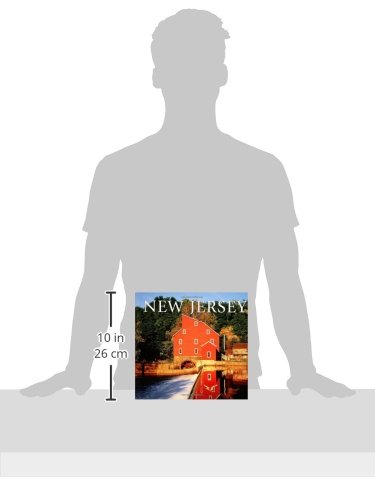 New Jersey (America)- Tanya Lloyd Kyi - - Used Book in Good Condition From the Atlantic coast to the Appalachians, from Atlantic City casinos to Revolutionary War battlegrounds, New Jersey is full of contrasts, color, and history. Within the Garden State you can find picturesque coasts, quiet forest trails, and some surprising legacies of the past.
  Good Night New Jersey (Good Night Our World)
 AMC's Best Day Hikes in New Jersey: Four-Season Guide to 50 of the Best Trails in the Garden State, from the Skylands to the Shore
 Weird N.J.: Your Travel Guide to New Jersey's Local Legends and Best Kept Secrets
 Essentials of New Jersey Real Estate, 13th Edition
 Explorer's Guide 50 Hikes in New Jersey: Walks, Hikes, and Backpacking Trips from the Kittatinnies to Cape May (Fourth Edition) (Explorer's 50 Hikes)
 Dishing Up® New Jersey: 150 Recipes from the Garden State
 Birds of New Jersey Field Guide
 New Jersey Law Enforcement (LEE) Exam Review Guide: Learn how to Ace the New Jersey Law Enforcement Exam
 What's Great about New Jersey? (Our Great States)
 Stories from New Jersey Diners: Monuments to Community (American Palate)
 Month-By-Month Gardening in New Jersey: What To Do Each Month to Have a Beautiful Garden All Year
 New York & New Jersey Month-by-Month Gardening: What to Do Each Month to Have a Beautiful Garden All Year
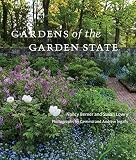 Gardens of the Garden State
 Grow Great Vegetables in New Jersey (Regional Vegetable Gardening Series)
 The Timber Press Guide to Vegetable Gardening in the Northeast (Regional Vegetable Gardening Series)
 New Jersey Gardener's Guide The What, Where, When, How & Why Of Gardening In New Jersey
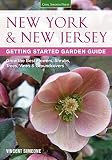 New York & New Jersey Getting Started Garden Guide: Grow the Best Flowers, Shrubs, Trees, Vines & Groundcovers (Garden Guides)
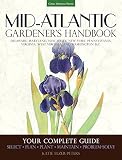 Mid-Atlantic Gardener's Handbook: Your Complete Guide: Select, Plan, Plant, Maintain, Problem-Solve - Delaware, Maryland, New Jersey, New York, Pennsylvania, Virginia, West Virginia, Washington D.C.
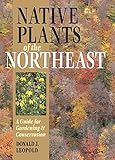 Native Plants of the Northeast: A Guide for Gardening and Conservation
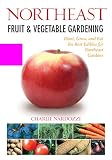 Northeast Fruit & Vegetable Gardening: Plant, Grow, and Eat the Best Edibles for Northeast Gardens (Fruit & Vegetable Gardening Guides)
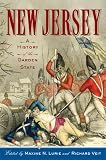 New Jersey: A History of the Garden State
 Founders of New Jersey: First Settlements, Colonists and Biographies by Descendants
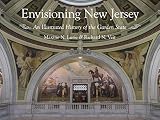 Envisioning New Jersey: An Illustrated History of the Garden State (Rivergate Regionals Collection)
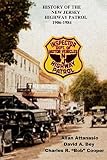 History of the New Jersey Highway Patrol 1906-1984
 Ghost Towns: And Other Quirky Places in the New Jersey Pine Barrens
 Hidden History of New Jersey
 A History of Inventing in New Jersey: From Thomas Edison to the Ice Cream Cone
 On This Day in New Jersey History
 The History of Diners in New Jersey (American Palate)
 350 Years of New Jersey History: From Stuyvesant to Sandy
 Best Easy Day Hikes Northeast New Jersey (Best Easy Day Hikes Series)
 North Jersey Trails Map: Ringwood State Park, Ramapo Valley County Reservation, Ramapo Mountain State Forest, Wawayanda State Park, Norvin Green State Forest, Pequannock Watershed
 AMC's Best Day Hikes Near New York City: Four-Season Guide To 50 Of The Best Trails In New York, Connecticut, And New Jersey
 East Hudson Trails Map: Hudson Highlands State Park Preserve, Fahnestock State Park
 Hiking New Jersey: A Guide to 50 of the Garden State's Greatest Hiking Adventures (State Hiking Guides Series)
 Catskill Trails Map: Catskill Forest Preserve
 Hiking the Endless Mountains: Exploring the Wilderness of Northeastern Pennsylvania
 Rail-Trails New Jersey & New York: The Definitive Guide to the Region's Top Multiuse Trails
 Ride Guide New Jersey Mountain Biking
 Family-Friendly Biking in New Jersey and Eastern Pennsylvania
 Mountain Biking in New Jersey: 37 Off-Road Rides in the Garden State (Quick reference guide)
 Mountain Biking Eastern New York: Seventy-Four Epic Rides From North Jersey And Long Island To The Adirondacks (Regional Mountain Biking Series)
 Where to Bike Washington DC: Best Biking in the City and Suburbs
 Mountain Biking Pennsylvania (State Mountain Biking Series)
 Mountain Biking in New Jersey, 3rd Edition: 50 Off-Road Rides
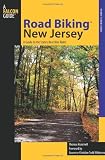 Road Biking New Jersey: A Guide to the State's Best Bike Rides (Road Biking Series)
 Mountain Biking in New Jersey: 45 Off-Road Rides in the Garden State
 Fly Fishing New Jersey Trout Streams
 Fishing New Jersey: A Guide for Freshwater Anglers
 Fishing the New Jersey Coast
 Fly Fishing the Musconetcong River, New Jersey: An Excerpt from Fly Fishing the Mid-Atlantic
 Good Fishing in the Catskills: A Complete Angler's Guide (Third Edition) (Good Fishing)
 Flyfisher's Guide to New Jersey: Coldwater, Warmwater and Saltwater
 Fly-fishing Guide to the Upper Delaware River
 Fishing the Salmon River
 Mid-atlantic Budget Angler: Fly-fishing for Trout in Delaware, Maryland, New Jersey, Pennsylvania, Virginia, West Virginia
 Striper Hot Spots: The 100 Top Surf Fishing Locations from New Jersey to Maine
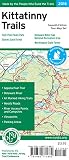 Kittatinny Trails Map: Delaware Water Gap National Recreation Area, High Point State Park, Stokes State Forest, Worthington State Forest
 Pennsylvania Recreation Atlas (National Geographic Recreation Atlas)
 New Jersey Atlas & Gazetteer
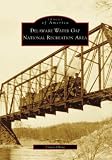 Delaware Water Gap National Recreation Area (Images of America)
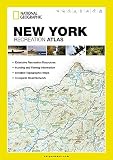 New York Recreation Atlas (National Geographic Recreation Atlas)
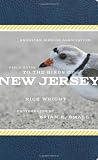 American Birding Association Field Guide to the Birds of New Jersey (American Birding Association State Field)
 Preliminary Assessment of Diamondback Terrapins (Malaclemys terrapin) Nesting Ecology at Sandy Hook, NJ, Gateway National Recreation Area: July ? ... 2002 (Technical Report NPS/NER/NRTR?2005/014)
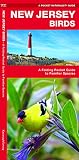 New Jersey Birds: A Folding Pocket Guide to Familiar Species (Wildlife and Nature Identification)